Restoration Projects in BC and Beyond
A selection of soil bioengineering work, from Gulf Islands shorelines to Yukon placer reclamation.
Every project begins with a site assessment and a plan matched to the conditions on the ground. The work below spans residential shorelines, interior wetlands, mine reclamation, slope failures, and riparian gravel bars across British Columbia and the Yukon.
Shorelines and Streambanks
Erosion control and habitat restoration along rivers, lakes, and tidal shores using structural planting and live crib walls.
Slopes and Mine Sites
Revegetation and stabilization for disturbed slopes, road cuts, tailings areas, and other degraded ground requiring permanent plant cover.
Wetlands and Riparian Zones
Structural planting in low-lying, saturated, or frequently flooded environments where conventional methods cannot establish.
Recent Projects
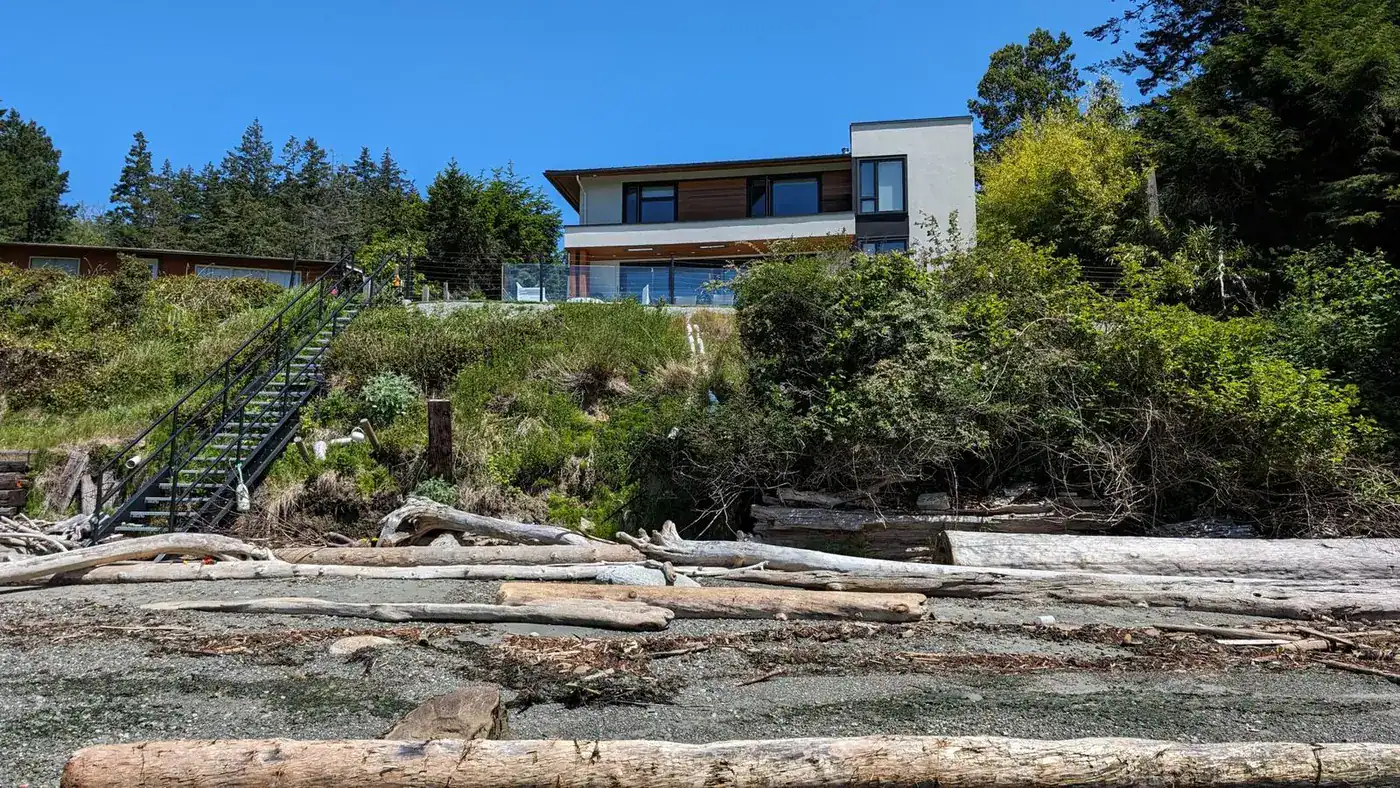
North Pender Island, BC · 2024–2025 · Green Shores
Pender Island Shoreline Restoration
A failing residential shoreline on North Pender Island, rebuilt with the Green Shores method: slope regrading, beach log placement, and live staking to re-establish a stable, vegetated shore.

Thetis Island, Gulf Islands · Completed May 2026
Clam Bay, Thetis Island
Completed shoreline restoration with live stakes, native planting, mulch, and irrigation. May 2026 photographs document the installed work on this dry, south-facing Gulf Islands site.
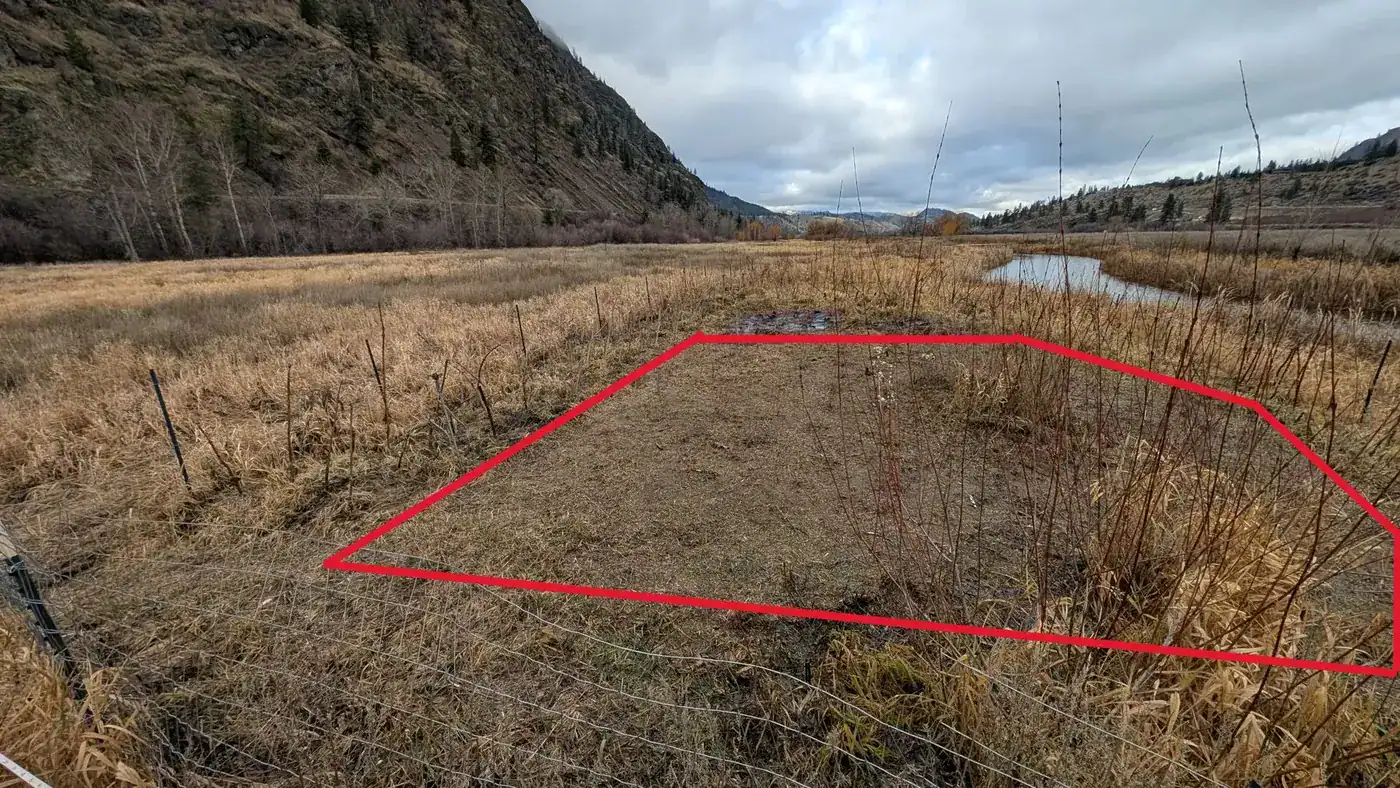
Interior British Columbia · 2024–2025 · reed canary grass management
VBNWA Floodplain Wetland Restoration
Invasive reed canary grass management and native vegetation restoration across a mapped set of treatment polygons in an interior BC floodplain wetland.
Project Archive
A broader set of documented projects spanning slope failures, mine reclamation, gravel bar restoration, shoreline repair, and long-term monitoring sites.
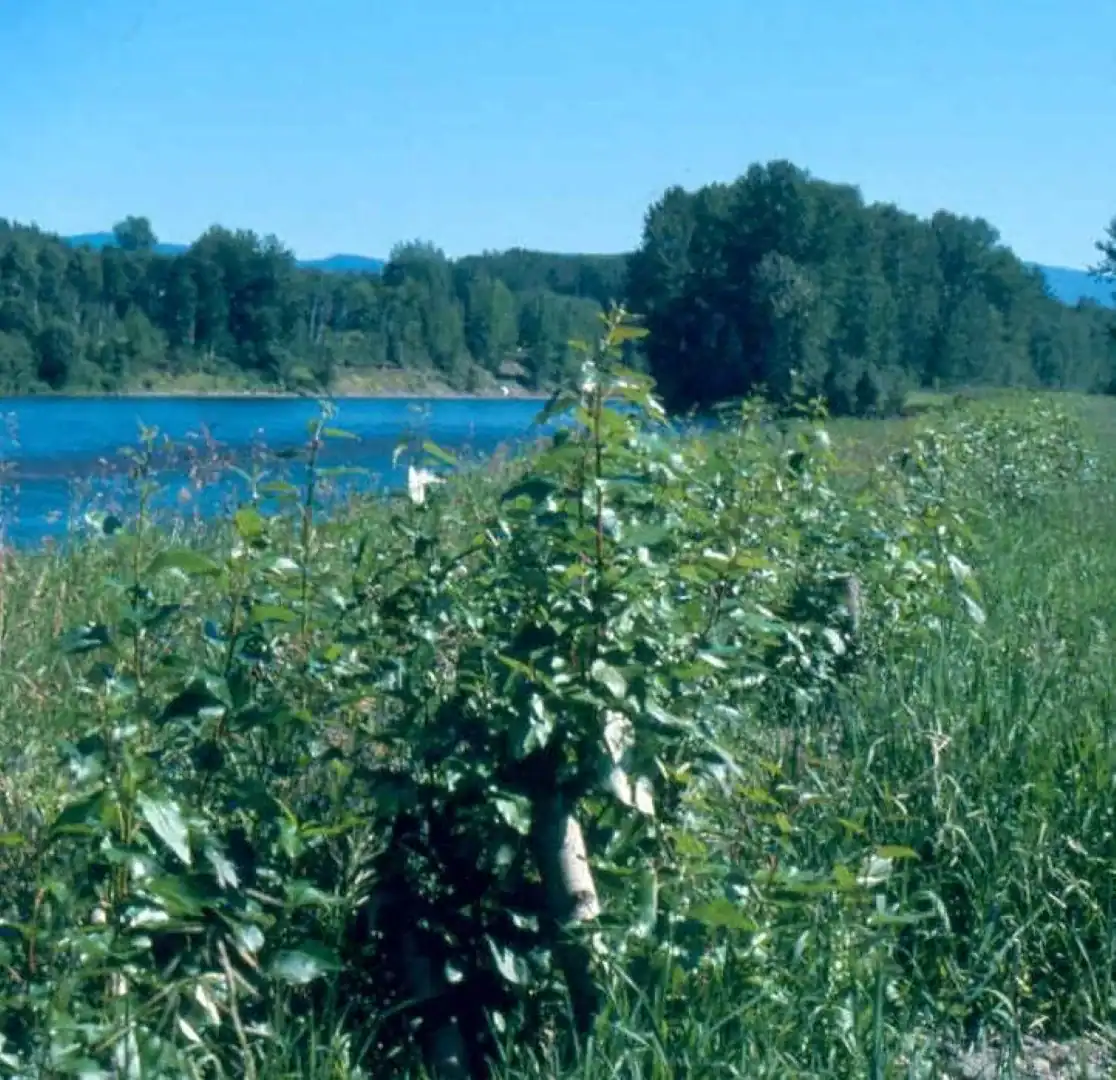
Interior British Columbia · 2012–2016 · Rough and Loose + Live Staking
Brenda Mine, Biodiversity Enhancement
Conventional mine reclamation produced biological deserts, stagnant grass cover with no ecological value. Rough and loose surface treatment combined with live staking, brush piles, and nest boxes restarted succession and produced measurable biodiversity recovery within a single growing season.

Cowichan Bay, Vancouver Island · Intertidal substrate + riparian vegetation
Cowichan Bay Shoreline Repair
Industrial damage to the Cowichan Bay shoreline destroyed forage fish habitat and left the intertidal zone armoured and eroding. Polster Environmental supported the Cowichan Community Land Trust's restoration, rebuilding substrate, riparian vegetation, and natural shoreline form.
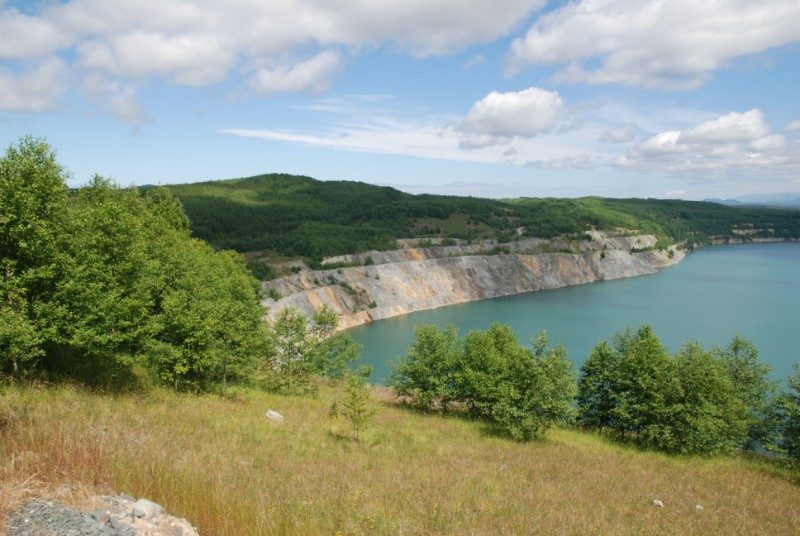
Northern Vancouver Island · 500,000+ Red Alder trees planted · 1996–2009
Island Copper Mine Reclamation
One of the largest-scale soil bioengineering efforts in the PES portfolio. Over 500,000 Red Alder trees planted to mimic the natural successional pathway from disturbed ground to productive forest, with long-term monitoring revealing the critical dynamics of grass competition and canopy closure.
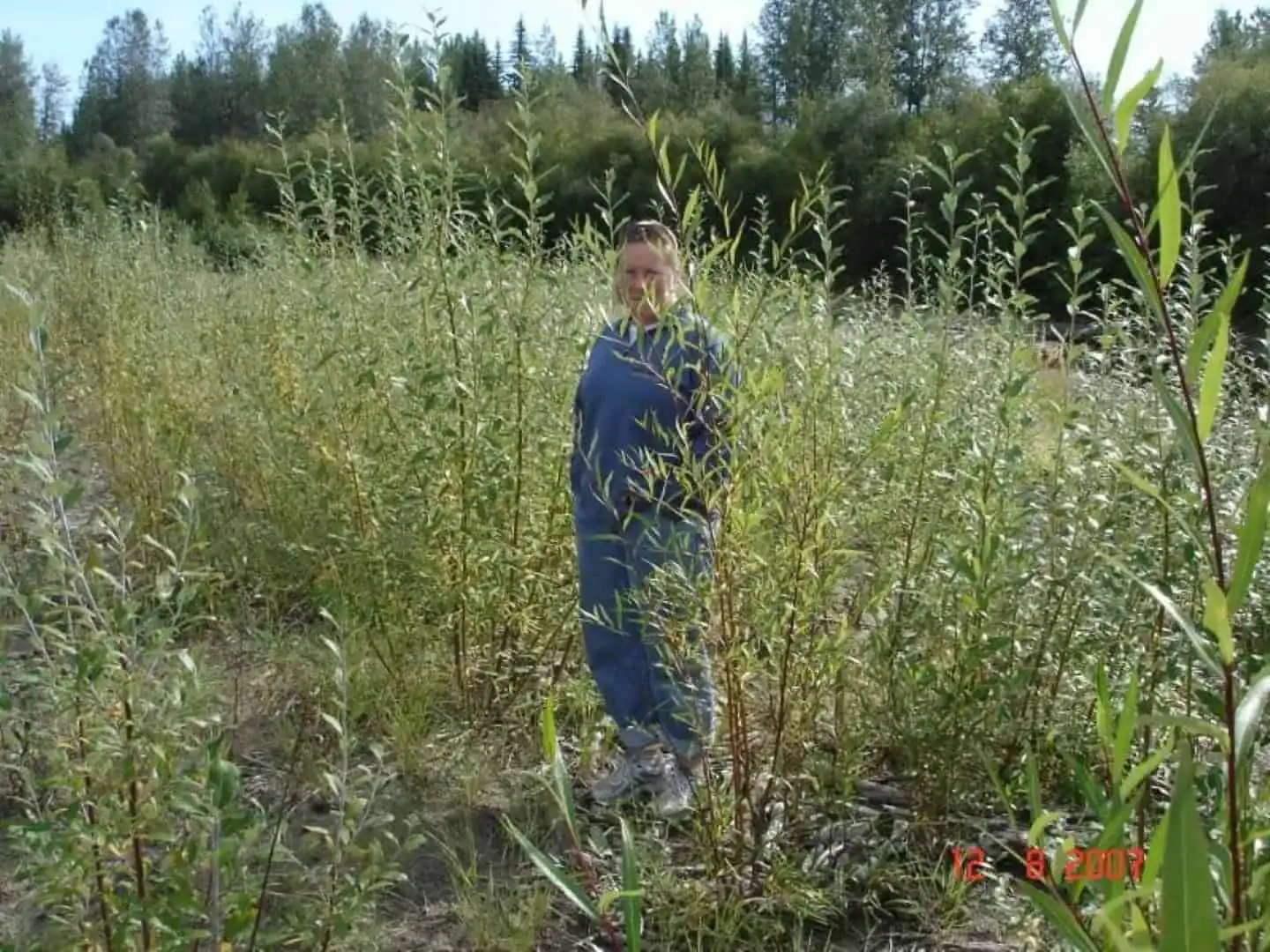
British Columbia · 2016 installation · Monitored through 2018
Juniper Place Landslide Restoration
A large, steep landslide with active seepage and compacted soils. Soil bioengineering installation in spring 2016, live staking, wattle fencing, and brush layering applied systematically from the base upward, produced dense native vegetation within two growing seasons.

Germaine Creek, Klondike River, Yukon · Placer mining reclamation · 2004–2018
Live Gravel Bar Staking, Klondike River, Yukon
Placer mining stripped riparian vegetation from Klondike gravel bars. Live gravel bar staking installed in fall 2004 produced documented sediment accumulation, channel deepening, and a mature riparian forest by 2018, a fourteen-year record of bar building.

San Juan River, Vancouver Island · 1998–2014 · 80,000 m³ sediment accumulated
Live Gravel Bar Staking, San Juan River, BC
One of the foundational documented examples of live gravel bar staking in BC. Cuttings installed in March 1998 produced 80,000 cubic metres of sediment accumulation in the first year alone, and a mature native riparian forest with Sitka Spruce understorey by 2014.
UBC Campus slopes, Vancouver · Brush mattress + wattle fencing
Live Pole Blanket, UBC Slopes Piping Failure
A piping failure on the UBC slopes required both structural re-establishment and long-term vegetation cover. Brush mattress and wattle fence techniques addressed the seepage driving the failure while establishing a self-sustaining native plant community.
Seaton River, British Columbia · Rocky talus · 2002–2014
Pocket and Joint Planting, Seaton River, BC
Rocky talus fields and fractured rock faces are among the most challenging terrain for revegetation. Pocket and joint planting techniques exploited natural rock interstices to establish native plants on bare talus at the Seaton River, documented over twelve years.
Qualicum Beach, Vancouver Island · February–April 2020
Qualicum Beach Slide Restoration
A slope failure at Qualicum Beach required systematic soil bioengineering treatment across a bare, unstable slide scar. Installation proceeded from the base upward over six weeks in early 2020, with live staking and wattle fencing positioning the site for the 2020 growing season.
Cowichan River, BC · 2001 installation · Monitored through 2018
Stoltz Bluffs, Cowichan River Slope Bioengineering
A 2001 bioengineering installation that remained visibly stable for nearly two decades, standing in stark contrast to surrounding untreated slopes that continued to slump and discharge sediment into the Cowichan River. One of the most compelling long-term demonstrations in the PES portfolio.
Powers Creek delta, Okanagan Lake, West Kelowna · Riparian restoration
West Kelowna, Powers Creek Delta Erosion
Wave erosion at the Powers Creek delta driven by loss of riparian forest and counterproductive hard armouring. The diagnosis pointed clearly toward a bioengineering solution: re-establishing a dense stand of willows and cottonwood to address the erosion and restore habitat.

Gravel Pit, British Columbia · Rough and Loose + Live Staking
Butler Bros, Rough and Loose and Live Staking on a Gravel Pit Slope
Conventional grass seeding failed to hold a steep gravel pit face at Butler Bros, producing persistent gully erosion. Rough and loose surface treatment and live staking produced dense native shrub cover within two growing seasons, ending active erosion without hard armour or imported topsoil.
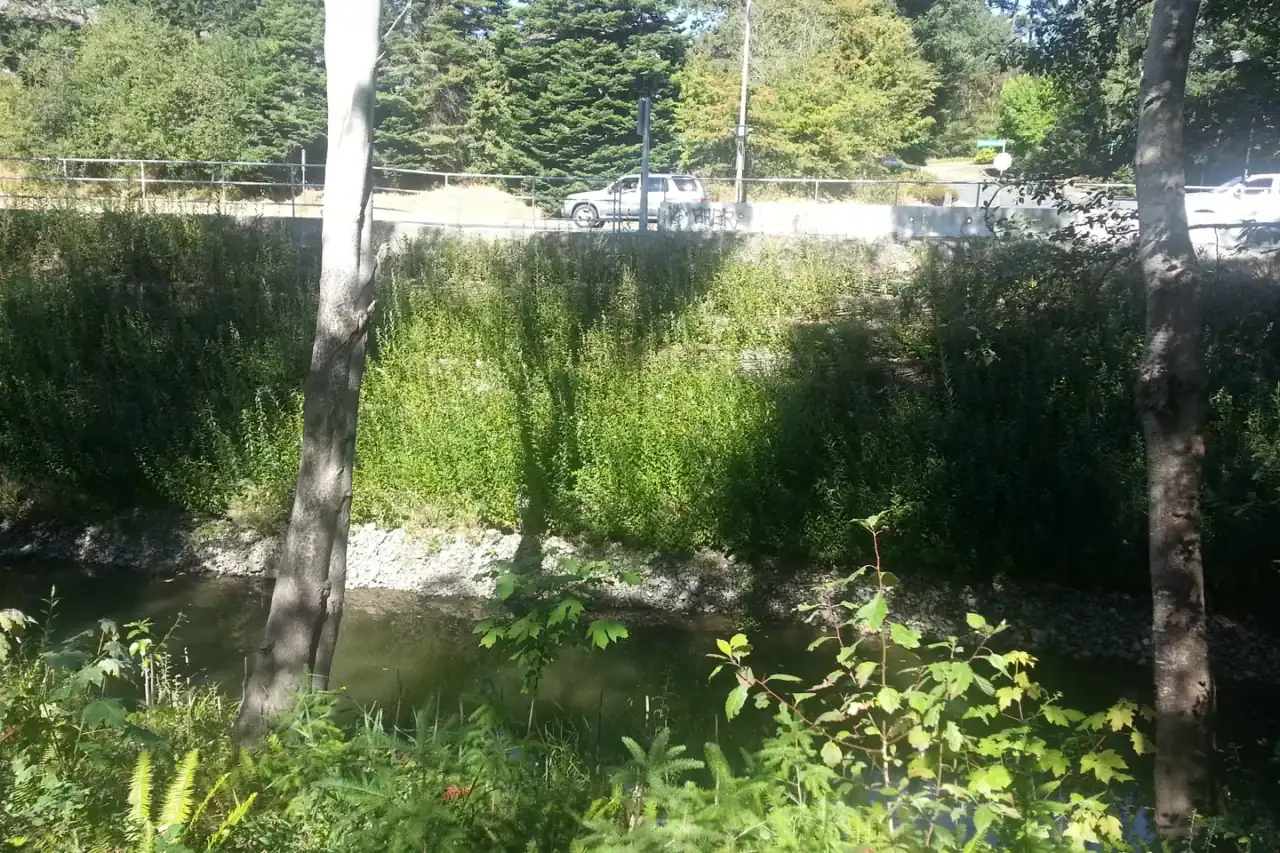
DATED FIELD RECORD · 2013–2024
Colquitz Creek
Follow installation and early growth, then view the separately dated November 2024 photograph of established woody cover.
See the dated comparison →Field Examples and Technical Resources
Documented field examples and technical references drawn from field footage, presentations, and legacy PES material.

British Columbia field footage
Rough and Loose and Live Staking in the Field
A short field example built around the Butler Bros field video, showing the treatment in action and tying it back to the broader reclamation method.
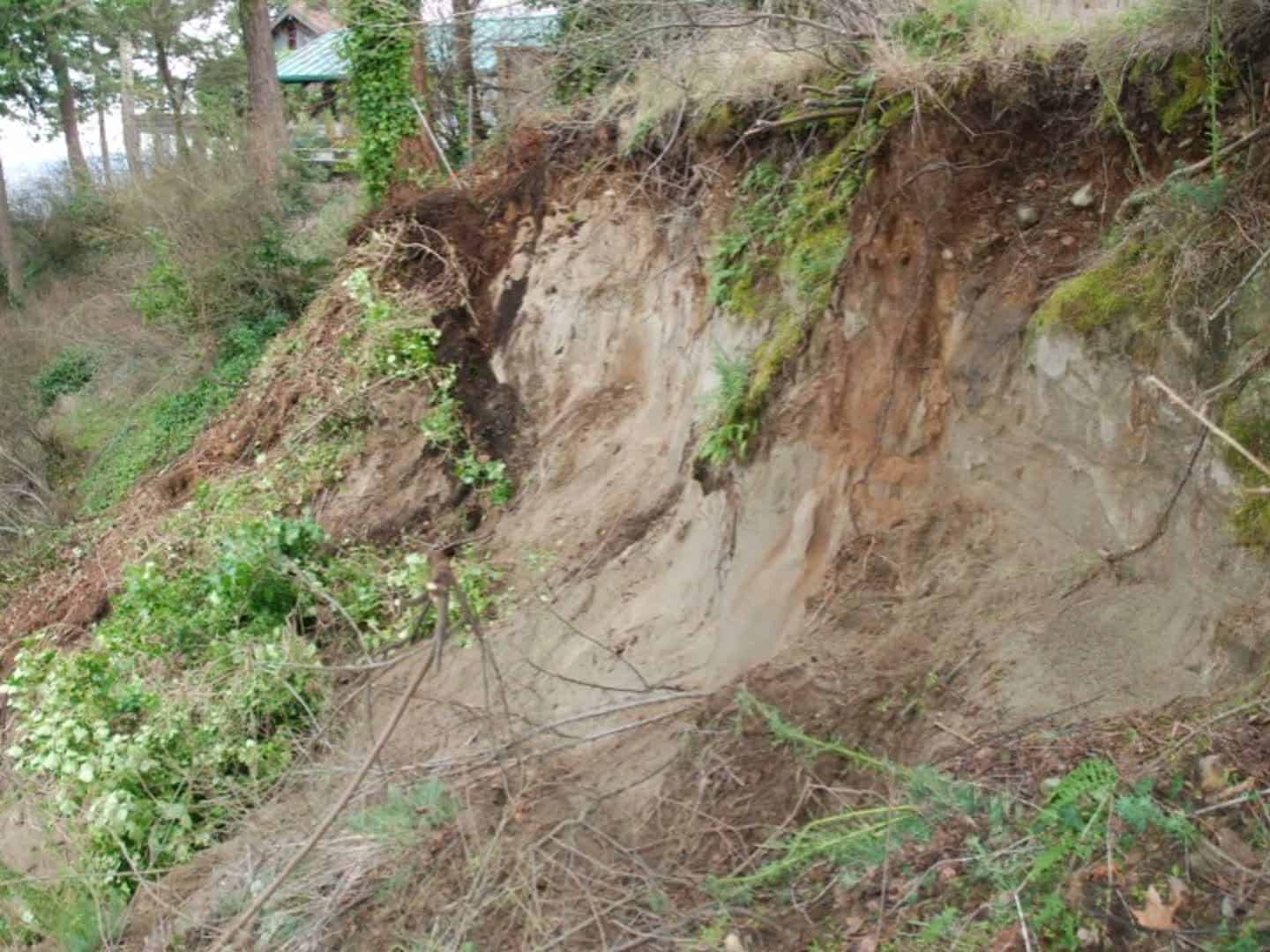
Legacy riparian field footage
Riparian Restoration in the Field
A documented field example built from legacy field footage and riparian examples, showing how living bank treatments work on the ground.
Highway and corridor examples
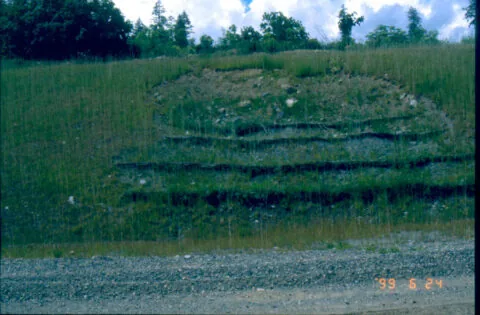
Highway Living Systems in the Field
A documented corridor example connecting wattle fences and live reinforced earth walls to real transportation and creek-side conditions.
Brenda Mine · presentation-derived notes
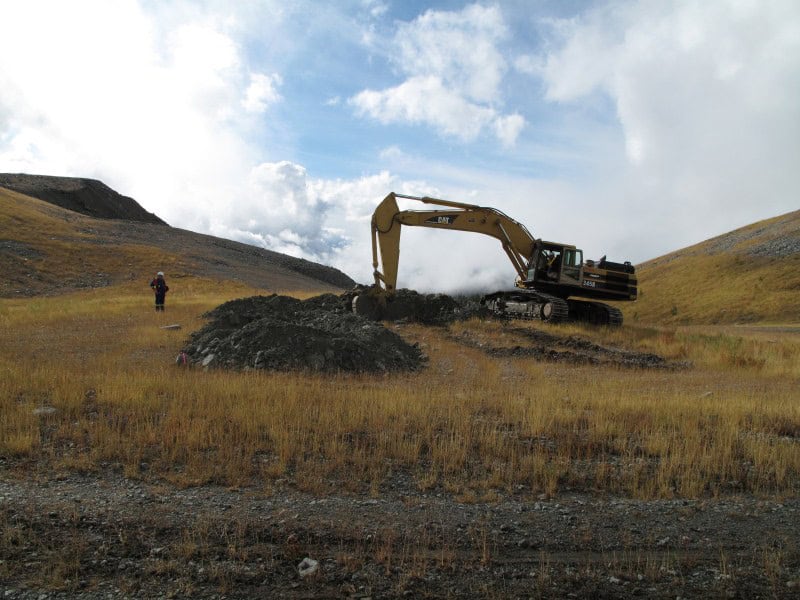
Rough and Loose Biodiversity Notes from Brenda Mine
A compact resource page extracted from the Brenda Mine slide deck, focused on rough and loose treatment, live staking, and ecological structure on disturbed sites.
Yukon highway vegetation management
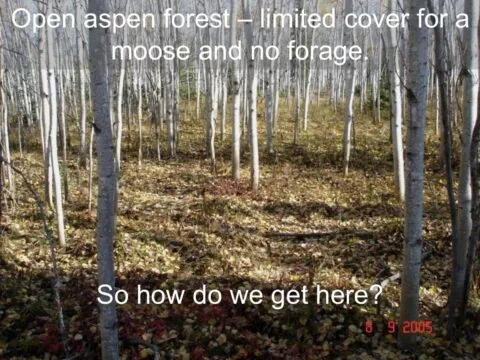
Natural Successional Processes for Yukon Corridor Management
A public corridor-management resource showing how repeated clearing can recreate roadside forage and cover instead of solving the long-term safety problem.
Ecological reserve restoration
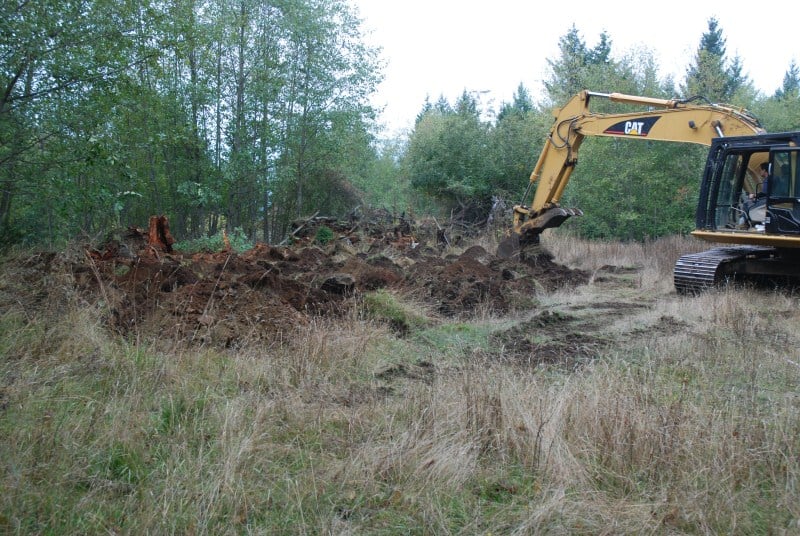
Fort Shephard Ecological Restoration
A public field example showing why signs were not enough, how rough and loose trail decommissioning stopped erosion and access, and how native vegetation re-entered the site.
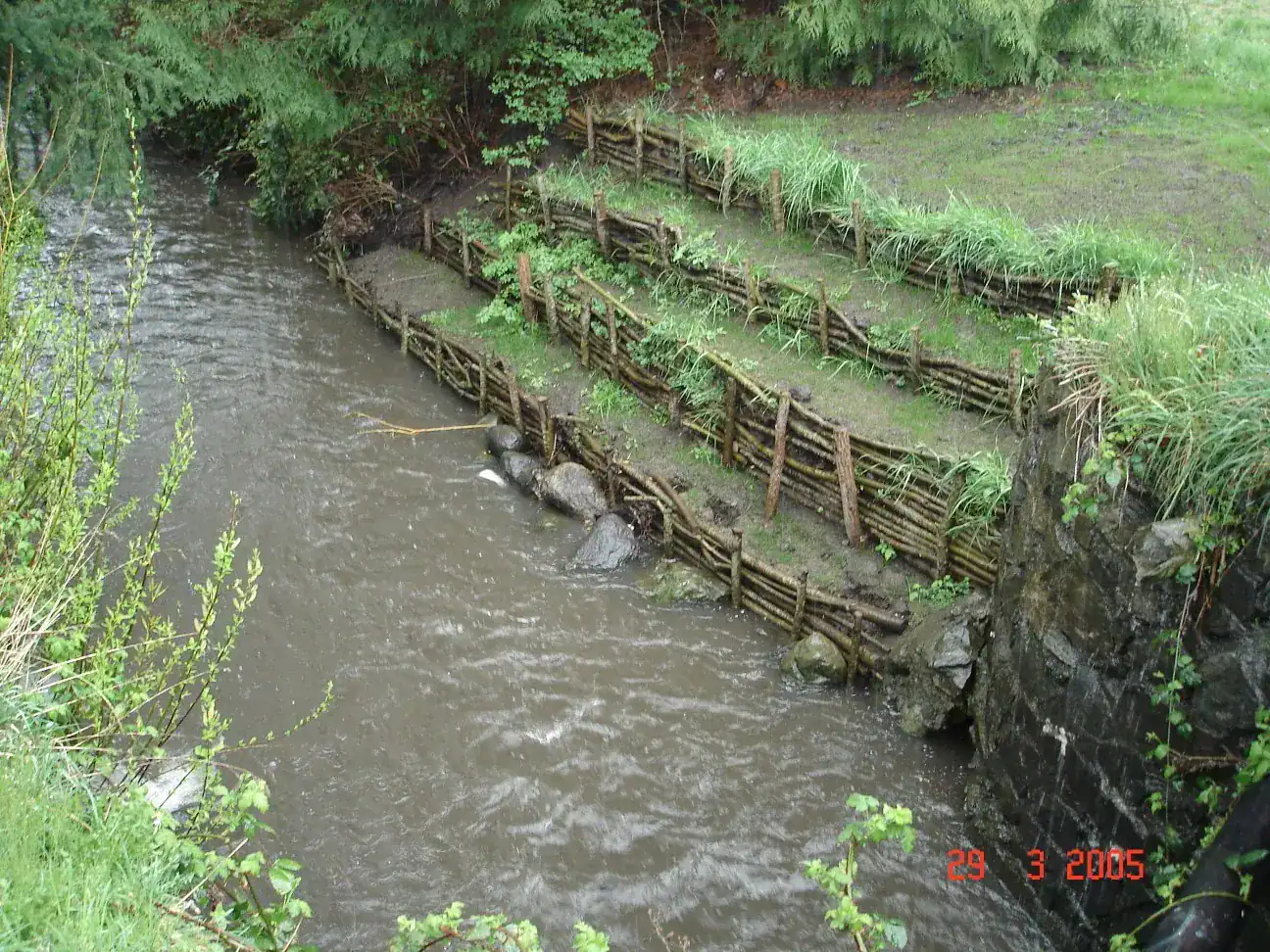
Corridor and creek-side guidance
Highway Bioengineering Examples and Lessons
A strengthened public resource built from the highway deck, covering Bowker Creek wattle fences, live reinforced earth walls, and what corridor owners should learn from dated field sequences.

Dated creek-corridor sequence
Bowker Creek Bioengineering Sequence
A focused public field page following Bowker Creek from 2005 to 2007, showing how wattle fences supported organic soils and transitioned into a functioning riparian edge.

Structural living systems
Live Reinforced Earth Walls
A strengthened structural-method resource using the highway deck to show how LaREWs work, how cuttings stabilize the slope face, and how the systems improve as they establish.
Documented Over Decades
Each project includes monitoring records tracked years after installation to confirm establishment and long-term slope stability.
Layered Technique Applications
Projects may combine live staking, wattle fencing, brush mattresses, and other methods when site conditions call for more than one function.
Replicable in the Field
Detailed site photography and installation notes make each project a practical reference for future applications in similar conditions.
Have a Site That Needs Restoring?
Tell us about your slope, streambank, shoreline, or reclamation site and we will recommend an approach.
More documented project progressions
Three source-led case studies drawn from David Polster's dated field records.

Battle Lake Gas Plant Site Restoration
A dated field record of a remediated former gas plant site moving from rough and loose surface preparation and dormant woody cuttings toward a young pioneering forest.
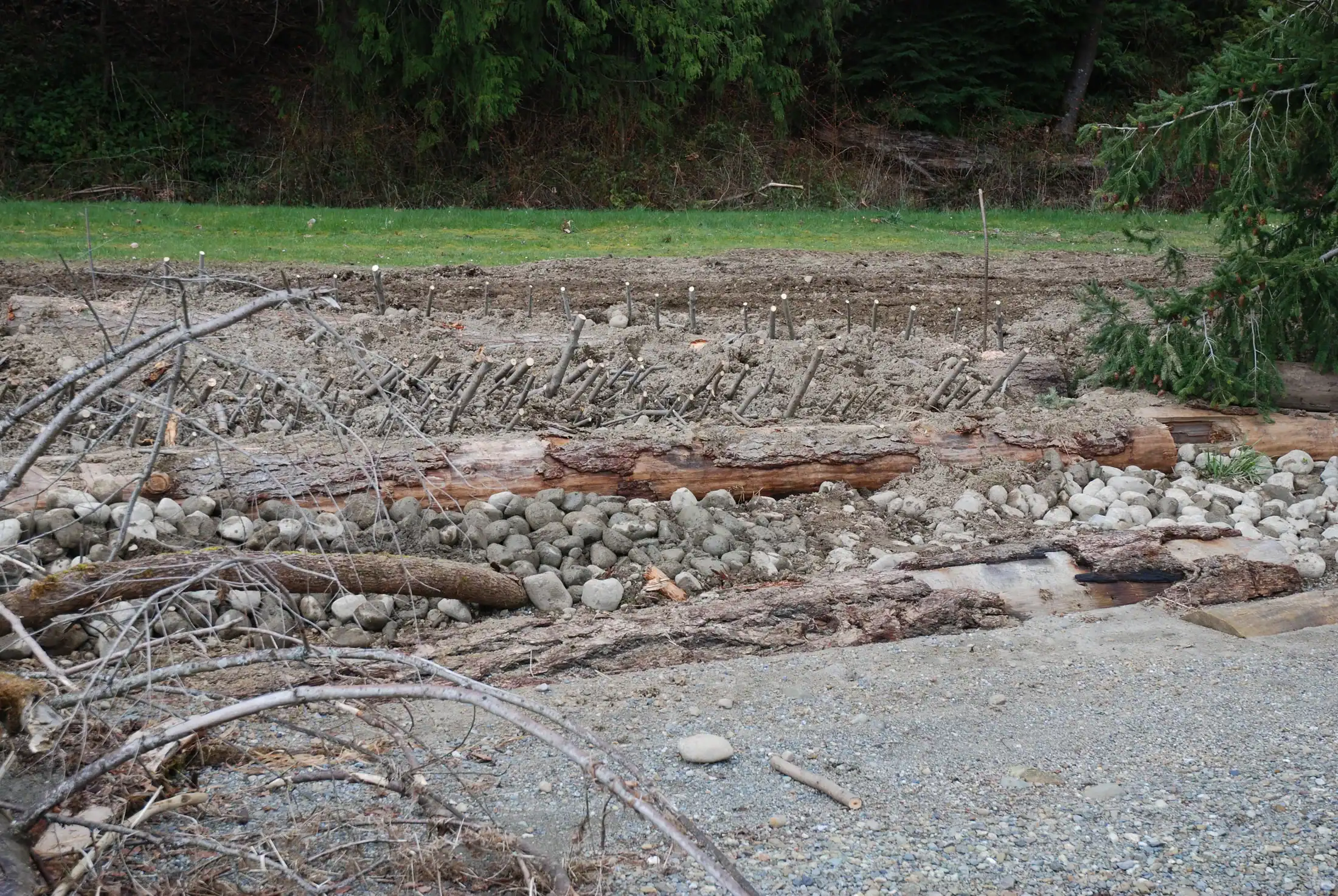
Bamberton Shoreline Restoration
A natural-model shoreline repair using cobble, large wood, beach vegetation, and live planting, with later monitoring through winter storms and a localized boat-ramp constraint.
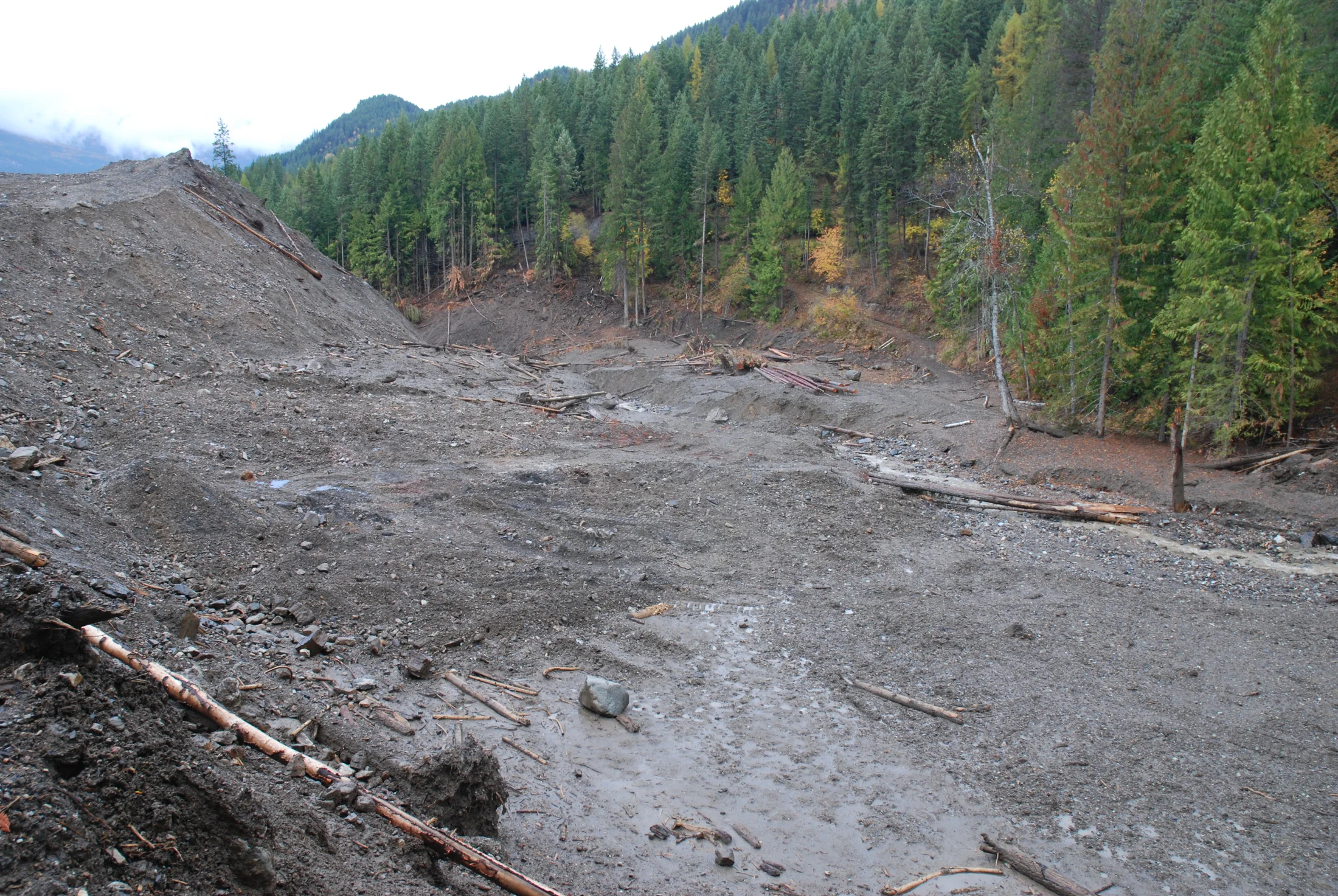
Johnson's Landing Landslide Revegetation
A respectful field record of community-supported revegetation across the accessible deposition area and remote seeding in the hazardous upper landslide zone.