
Rough and Loose and Live Staking in the Field
Field example for rough and loose surface treatment and live staking in British Columbia, using Butler Bros footage and Brenda Mine lessons to show how low-cost reclamation methods perform on the ground.
Field Video
Butler Bros footage showing rough and loose surface treatment paired with live staking in British Columbia.
The Butler Bros footage documents rough-and-loose surface treatment paired with live staking, showing how the method is built on the ground and why it matters for reclamation work in British Columbia.
Project Overview
The Butler Bros footage shows two core ideas working together:
- Rough and loose surface treatment to break up compacted or uniform ground and create pockets that hold moisture, seed, and organic matter.
- Live staking to introduce woody plant material that roots directly into the disturbed surface and begins the long process of stabilization and succession.
Together, those methods shift a site away from flat, sealed, low-diversity conditions and toward a surface that can actually respond biologically.
What the Field Footage Demonstrates
The value of the video is practical. It helps landowners, contractors, and municipal teams see the treatment instead of only reading about it.
- The surface is intentionally left irregular rather than smoothed into a conventional finish.
- Live stakes are installed directly into the disturbed substrate to establish woody cover quickly.
- The method is light on hard materials and heavy on ecological function.
- The approach can be considered on large disturbed sites, but fit and outcome depend on surface condition, water, available live material, access, construction, and follow-up care.
Why This Matters for Mine and Slope Reclamation
The strongest lesson from David Polster's Brenda Mine material is that many disturbed sites fail because the surface is too simple. A uniform surface sheds water, captures less seed, and offers very few microsites for colonizing vegetation.
Rough and loose treatment changes that starting condition:
- It creates relief and shelter.
- It slows runoff and holds surface moisture longer.
- It traps litter, seed, and fine material.
- It gives planted and naturally colonizing species a better chance to establish.
Live staking adds a second layer of recovery by introducing species that can root rapidly and begin stabilizing the soil with living material instead of imported hard structure.
Where This Fits in the PES Method Library
This field example supports, rather than replaces, the deeper technical pages.
- For the full method explanation, see Rough and Loose Surface Treatment.
- For slide-derived ecological lessons, see Rough and Loose Biodiversity Notes from Brenda Mine.
- For site-specific planning, start with a site assessment.
When We Use This Approach
This combined approach is especially useful on:
- mine reclamation and spoil surfaces
- large disturbed slopes where conventional seeding underperforms
- dry or raveling sites that need microtopography before vegetation can take hold
- projects where long-term ecological function matters as much as short-term cover
Takeaway
The Butler Bros footage is valuable because it makes the method tangible. The work is not decorative grading. It is deliberate surface preparation paired with living plant installation, aimed at creating conditions in which recovery could begin with less reliance on a permanent hard surface. Project cost and maintenance still depend on the site and treatment scope.
Combined Method Performance
Rough and loose surface preparation and live staking address different parts of the problem: surface condition and living plant establishment. Whether they work together depends on the site assessment and installation quality.
Field Installation Sequence
The field documentation shows the installation order and the stake placement used in this record. Depth, spacing, timing, and first-season establishment still need to be adapted to site conditions.
Year-One Results
The first growing season images document live-stake and seedling response at this site. They are an observed field result, not a guarantee of the same response on every installation.
Need This Kind of Site Assessment?
We assess disturbed slopes, mine sites, streambanks, and shorelines and recommend the right soil bioengineering approach for the conditions on the ground.
Butler Bros Gravel Pit: Before and After
Butler Bros gravel pit near Port Coquitlam illustrates the failure of grass seeding alone on steep disturbed slopes, and the success of rough and loose surface treatment combined with live staking. Grass cover did not hold the slope in the early record. Later images show denser native shrub cover after the bioengineering work; the sequence is historical site evidence, not a universal two-season endpoint or proof that all active erosion was eliminated.
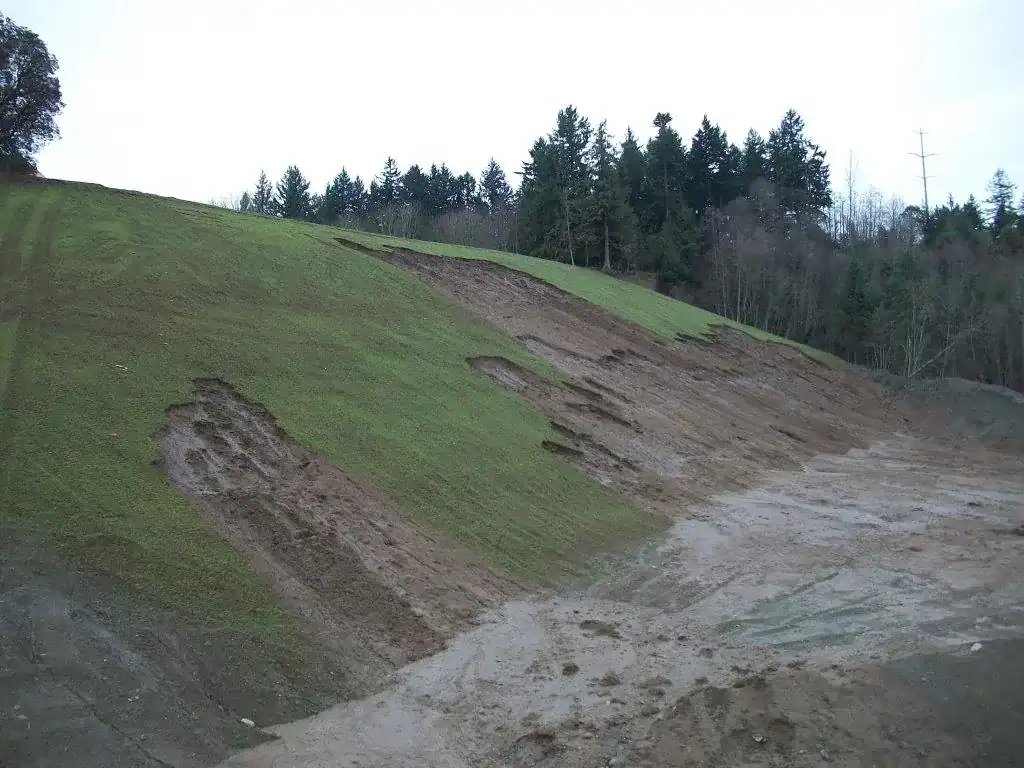
Before, failed grass seeding with active gully erosion on Butler Bros slope
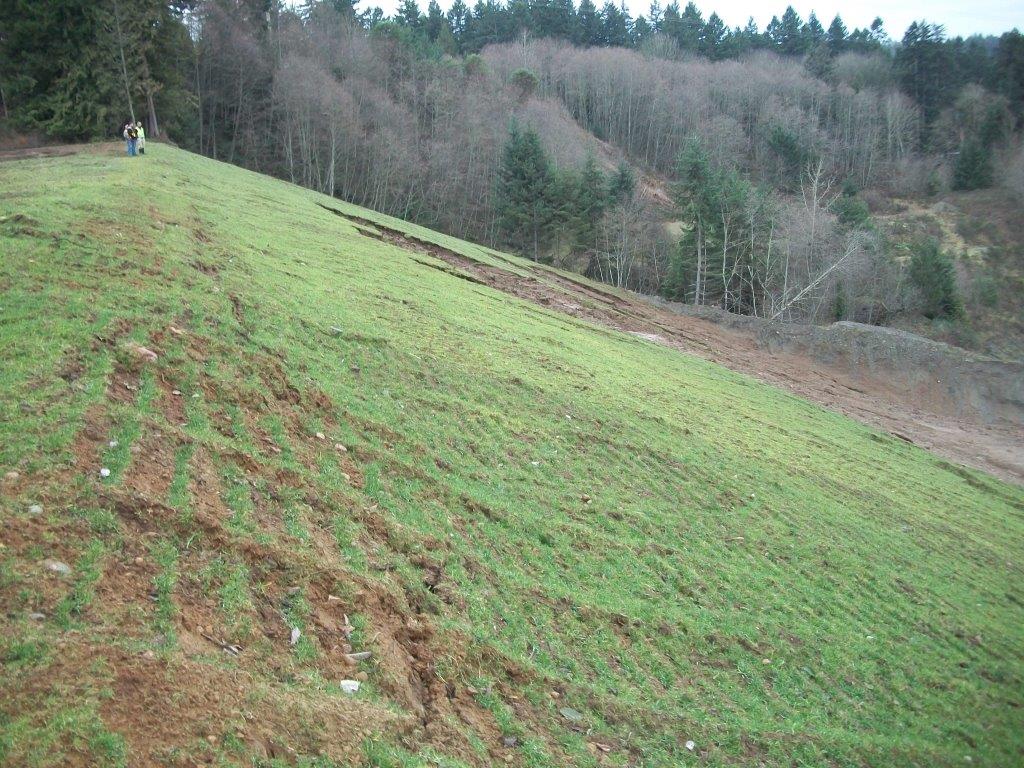
Slope instability and rill erosion, grass cannot hold this terrain
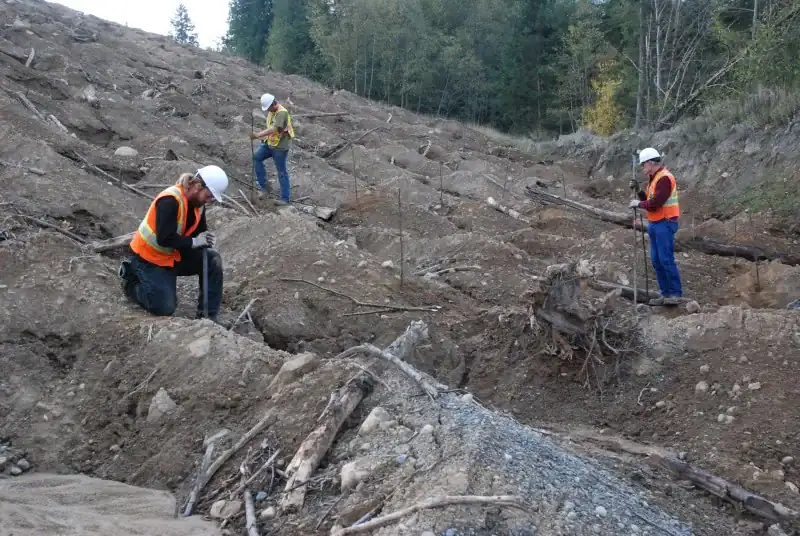
PES crew installing live stakes and bioengineering on the slope
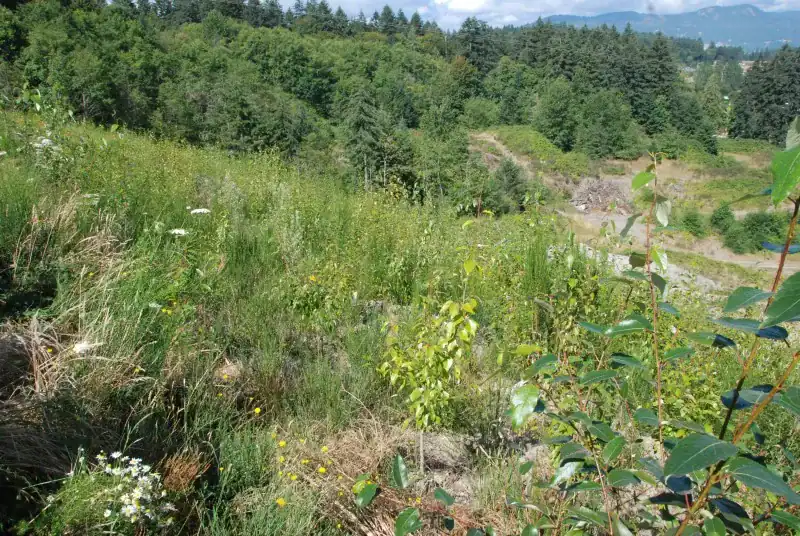
First growing season, native shrubs establishing on treated slope
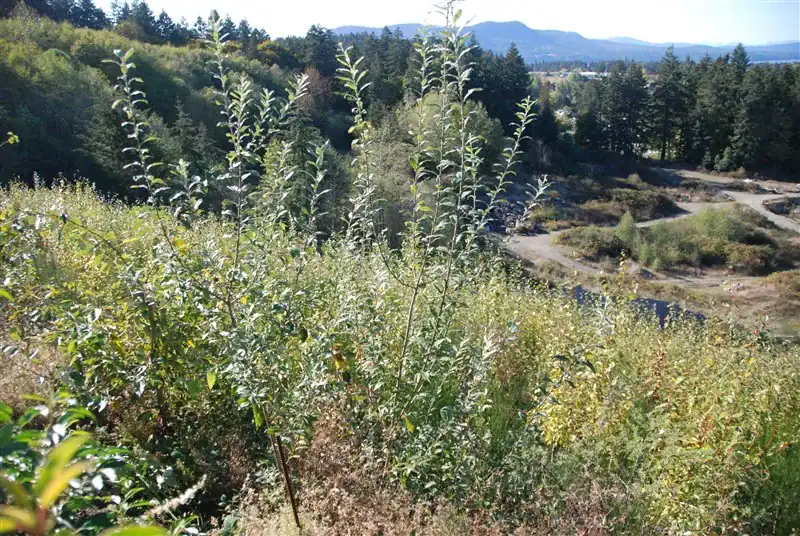
Mature native shrub cover, slope stabilised
Fort Shephard Ecological Reserve: Trail Restoration
Fort Shephard Ecological Reserve on the Columbia River was extensively damaged by off-highway vehicle trail networks. Rough and loose surface treatment and trail decommissioning, an approach also used at mine sites, allowed native ponderosa pine understorey and shrubs to recolonise disturbed trails, restoring the ecological reserve's function.
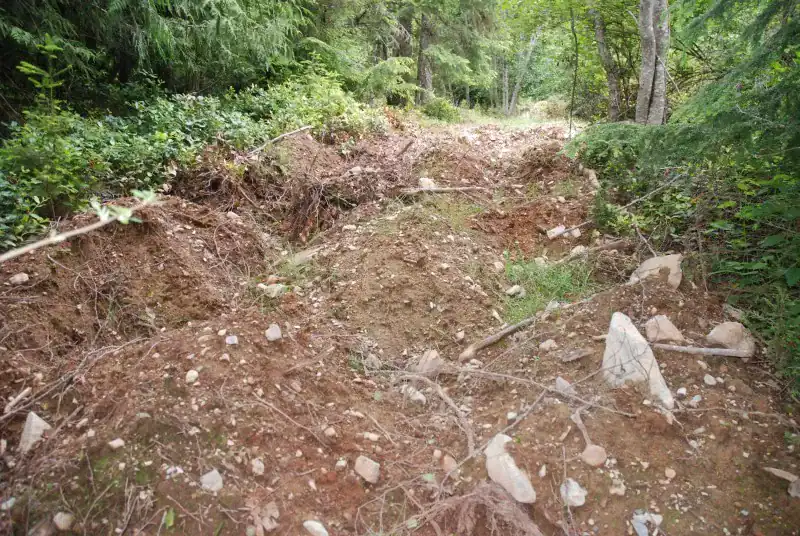
Before, severely eroded OHV trail through ecological reserve
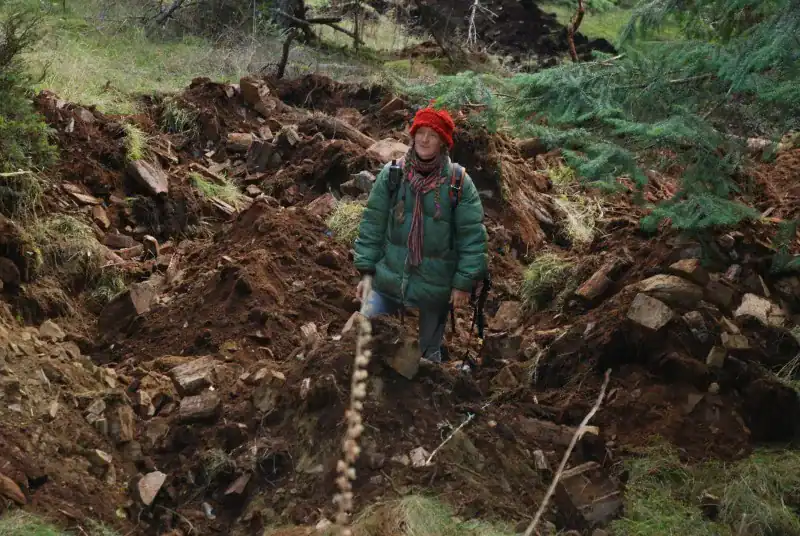
Scale of disturbance, extensive trail network through the site
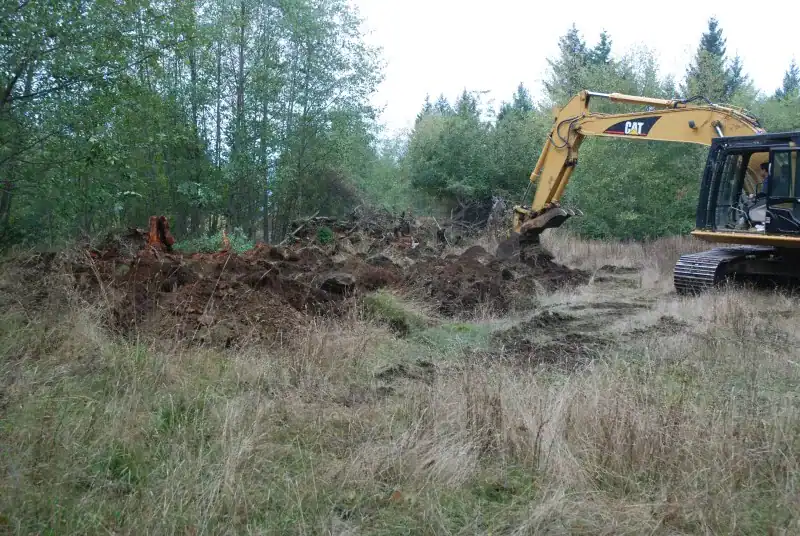
Mechanical rough and loose surface preparation
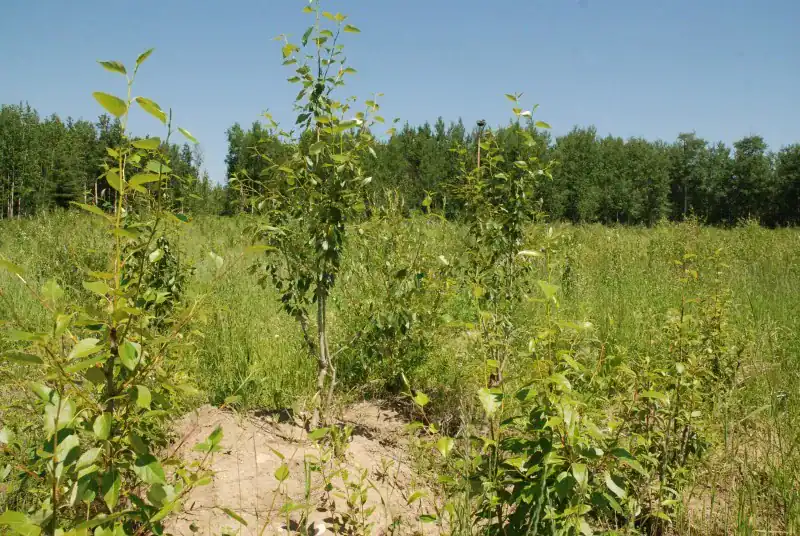
Native willows and shrubs establishing after treatment
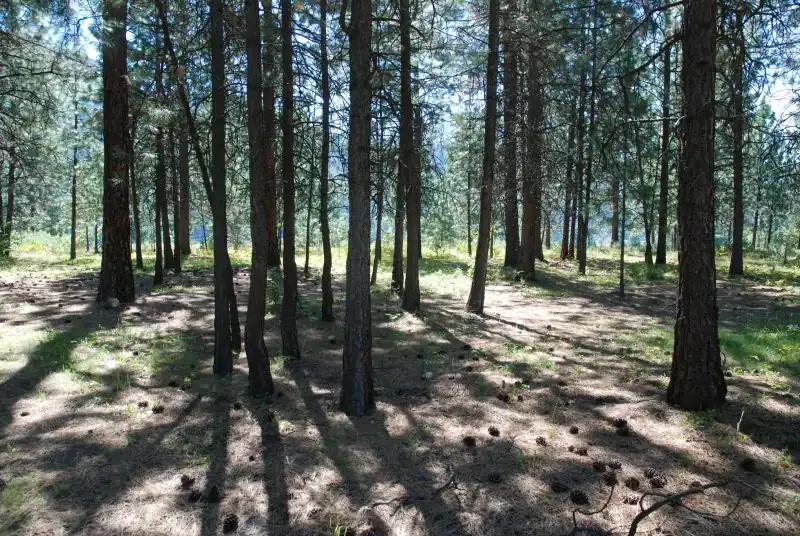
Target ecosystem, ponderosa pine forest with native understorey
Additional Field Documentation
Additional photographs from the Butler Bros rough-and-loose and live staking project, documenting the installation sequence, earthwork approach, and vegetation establishment progress over the monitoring period.
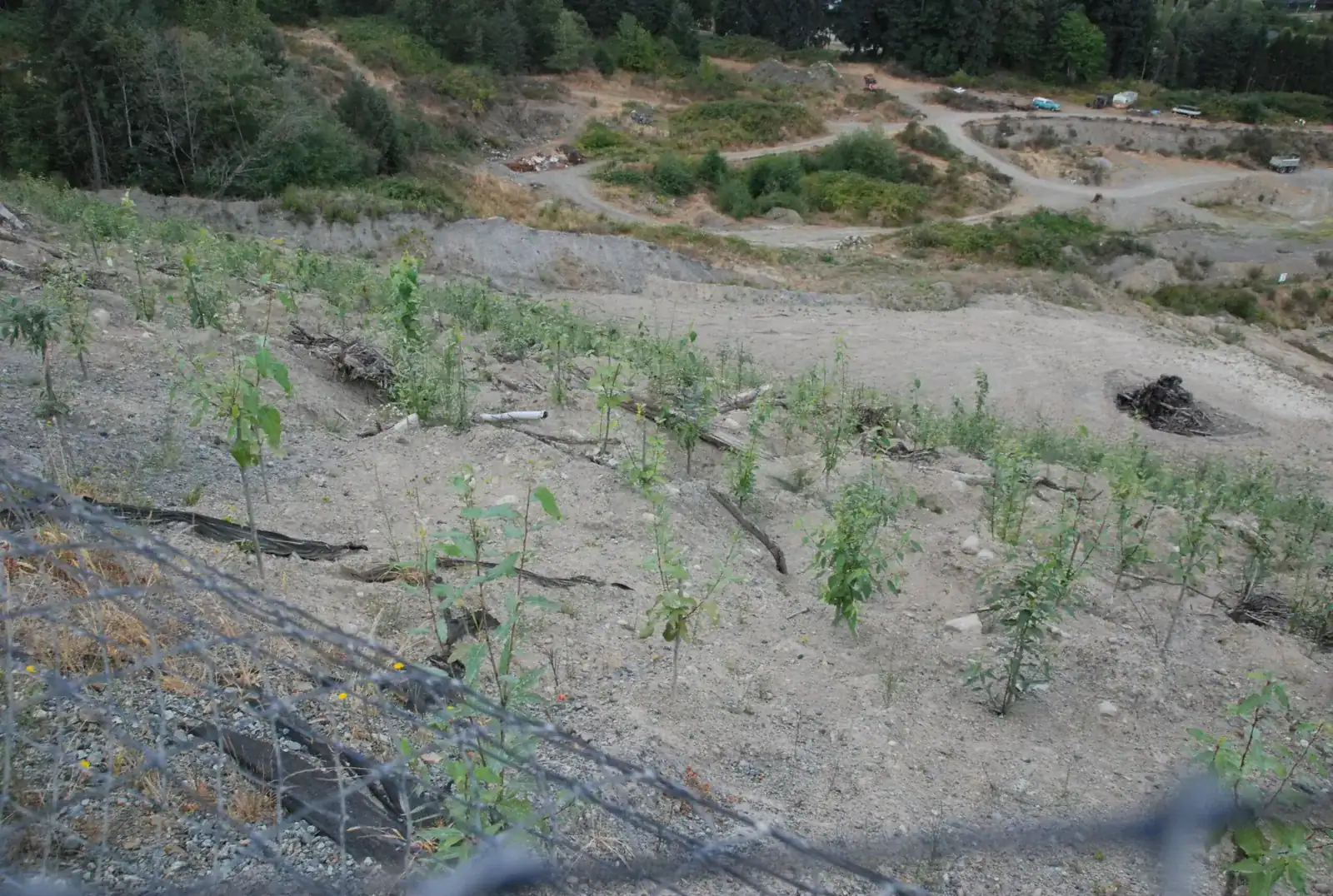
Rough and loose earthwork, excavator creating surface roughness on reclaimed mine slope
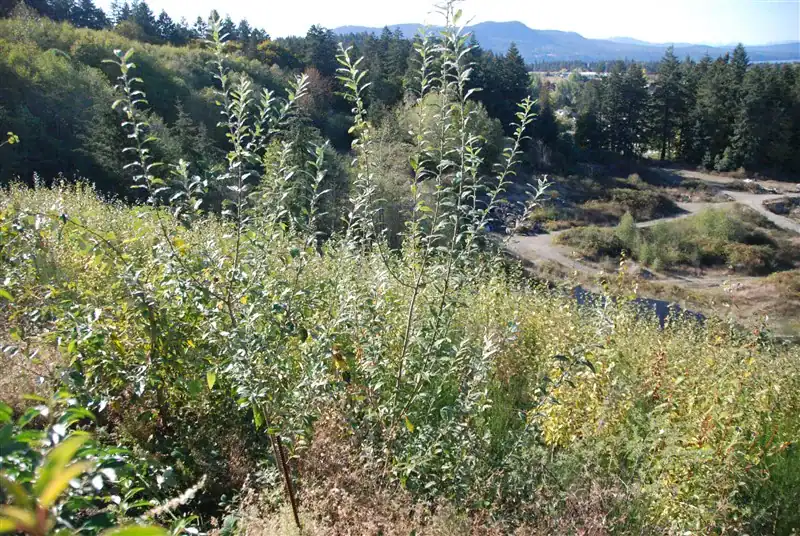
Pioneer vegetation establishment on rough-and-loose prepared slope, first growing season
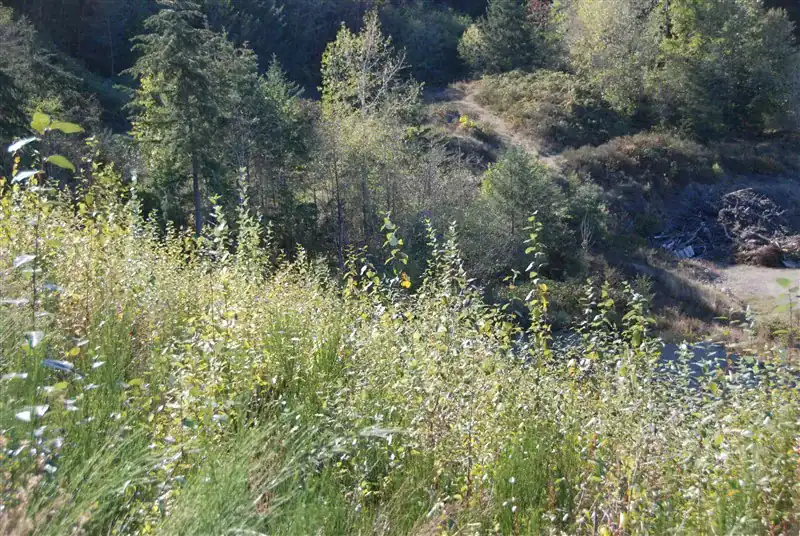
Live staking installation, dormant willow cuttings being pushed into riparian soil
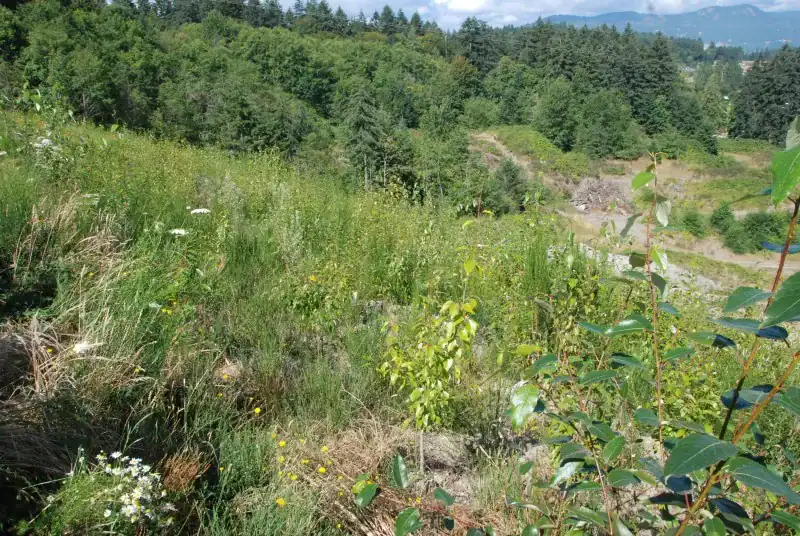
Slope ripping with excavator, breaking compaction layer to allow root penetration
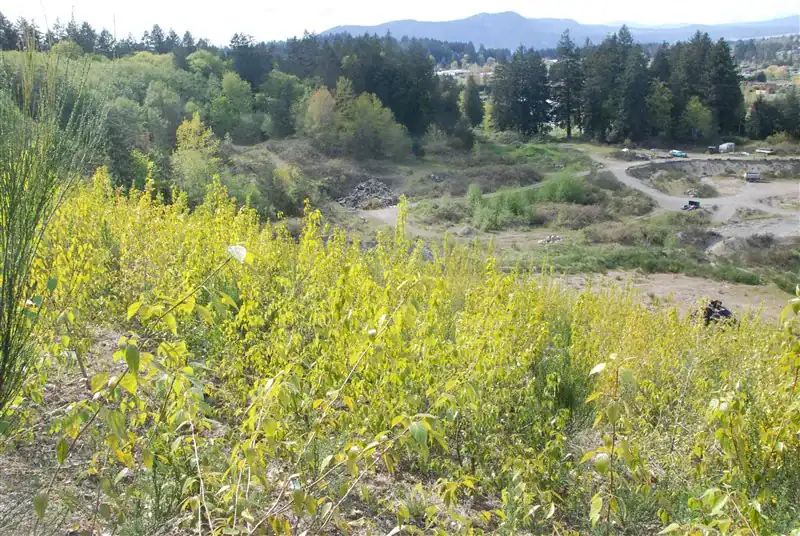
Established willow and dogwood from live staking, second year after installation
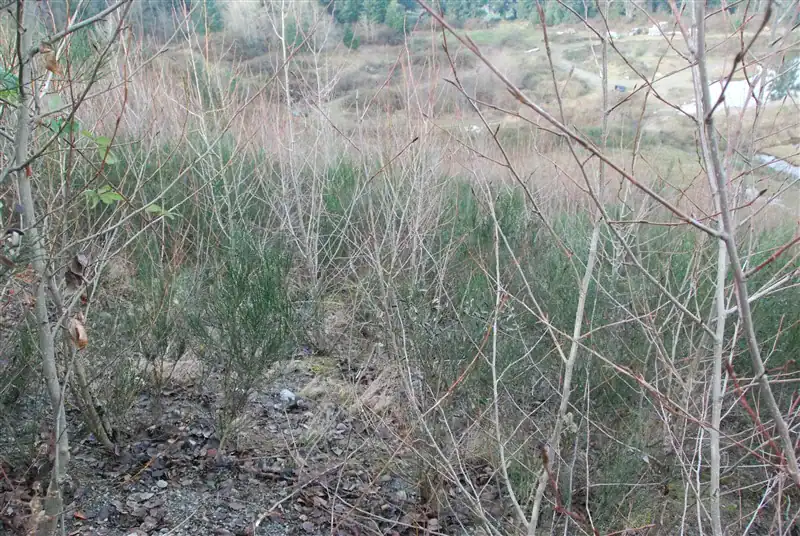
Revegetation progress, native pioneer species colonizing rough-prepared substrate
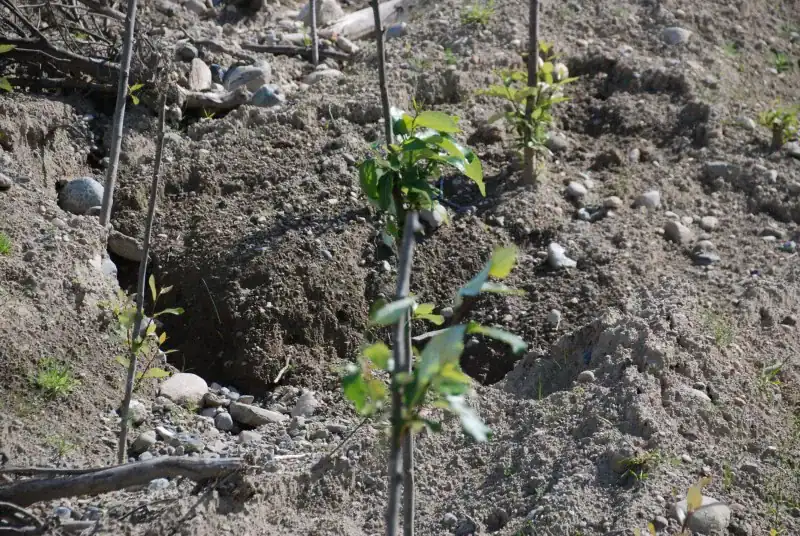
Bioengineering installation crew, placing live cuttings on prepared slope face
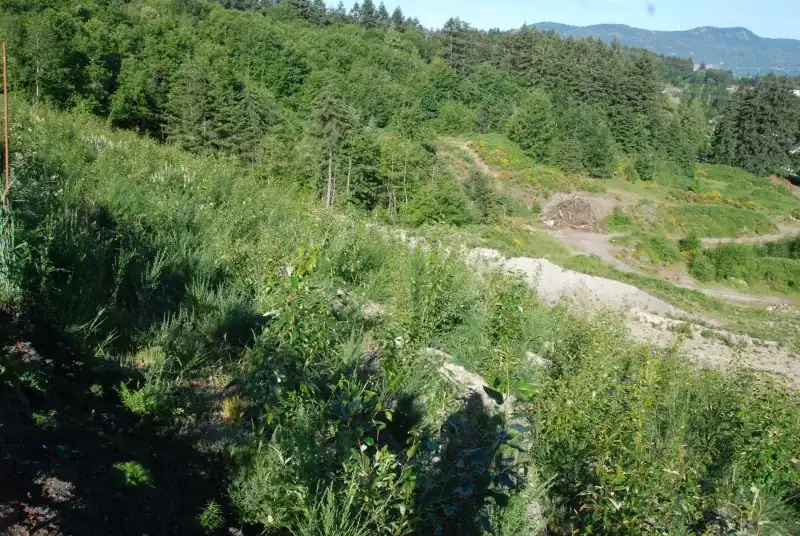
Monitoring site, measuring vegetation establishment success at Butler Bros reclamation area