
Slopes, cuts and embankments
Slope Stabilization & Erosion Repair
Repair the process driving erosion or instability, then establish living root systems that strengthen with time.
What may be happening
Diagnose before prescribing
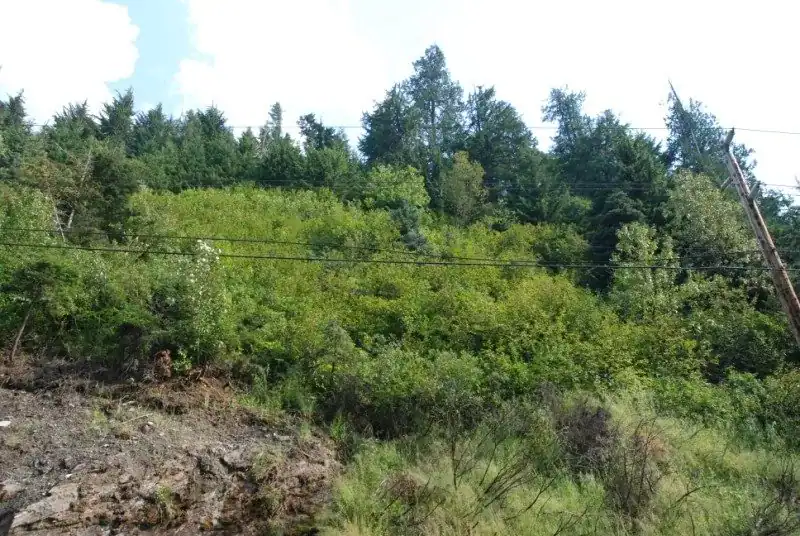
A slope may be losing material at the surface, raveling from over-steepening, or failing because subsurface water is creating piping and weak zones. Those are different problems. A treatment chosen before the failure mechanism is understood can hide the symptom while the cause remains active.
We start with the shape of the ground, where water moves and what is already growing nearby. Wattle fences and brush layers can interrupt moving surface material. Live pole drains address seepage, and live staking adds roots where the cuttings can establish. The site may need several methods.
Methods that may fit
Treatment follows site conditions
Wattle fencing
Living terraces that retain soil and shorten an eroding slope.
Modified brush layers
Dense bands of cuttings that reinforce fills and road-cut slopes.
Live pole drains
Living drainage paths for slopes affected by excess moisture.
Live staking
Distributed woody roots for suitable moist sites.
Field evidence
See the method in context
Stoltz Bluffs
A failing Cowichan River bluff treated by addressing water, erosion and vegetation together.
View the evidence →UBC live pole blanket
A piping failure repaired with drainage and dense living plant material.
View the evidence →Read the source material
PES starts with a practical question: what is stopping this site from recovering? The treatment should address that limiting condition and support the next stage of succession.
Where this service fits
Common site types and project needs
These are starting points, not a substitute for assessment. A project may combine several service areas.
- Road cuts and embankments
- Eroding municipal or park slopes
- Post-disturbance and post-wildfire sites
- Slopes affected by seepage or piping
From first look to field follow-through
A practical four-part path
Assess
Review the site, disturbance history, forces, constraints and desired outcome.
Select
Match methods, species, materials and timing to the limiting process.
Support
Provide specifications, installation guidance and field decisions where required.
Learn
Monitor trajectory and adjust when field evidence shows a better path.
Questions clients ask
Slope & Erosion Repair FAQ
Can plants stabilize every slope?
No. Soil bioengineering is selected only where the failure mechanism, material, moisture and geometry make a living treatment appropriate. Geotechnical work may also be required.
When is installation usually done?
Many woody cutting techniques are installed during plant dormancy. Site preparation and drainage work may happen earlier so living material can be placed at the right time.
Does the slope need ongoing irrigation?
The aim is a treatment matched to site moisture and locally suitable pioneering species. Establishment support may be specified, but the long-term design should not depend on permanent irrigation.
Bring the site problem into focus
Send the location, current photographs, known history and the outcome you need. PES will help identify the right next step.