
About Polster Environmental Services
PES provides soil bioengineering and ecological restoration for slopes, streambanks, shorelines, and disturbed land across British Columbia. Contact Nathan Polster to discuss your project.
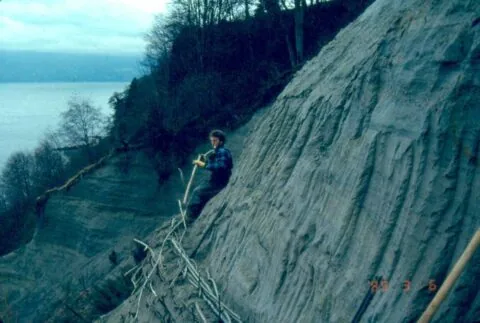
Restoration Grounded in Field Practice
Polster Environmental Services was founded by David Polster and Genevieve Singleton. David's fieldwork, teaching, and published technical writing established the practical foundation for the methods PES uses today.
The work focused on applying living plant material to real site problems: eroding slopes and streambanks, mine waste rock, over-steepened road cuts, degraded riparian corridors, and coastal shorelines. The methods are documented in papers, technical reports, project records, and the Living on the Edge field manual.
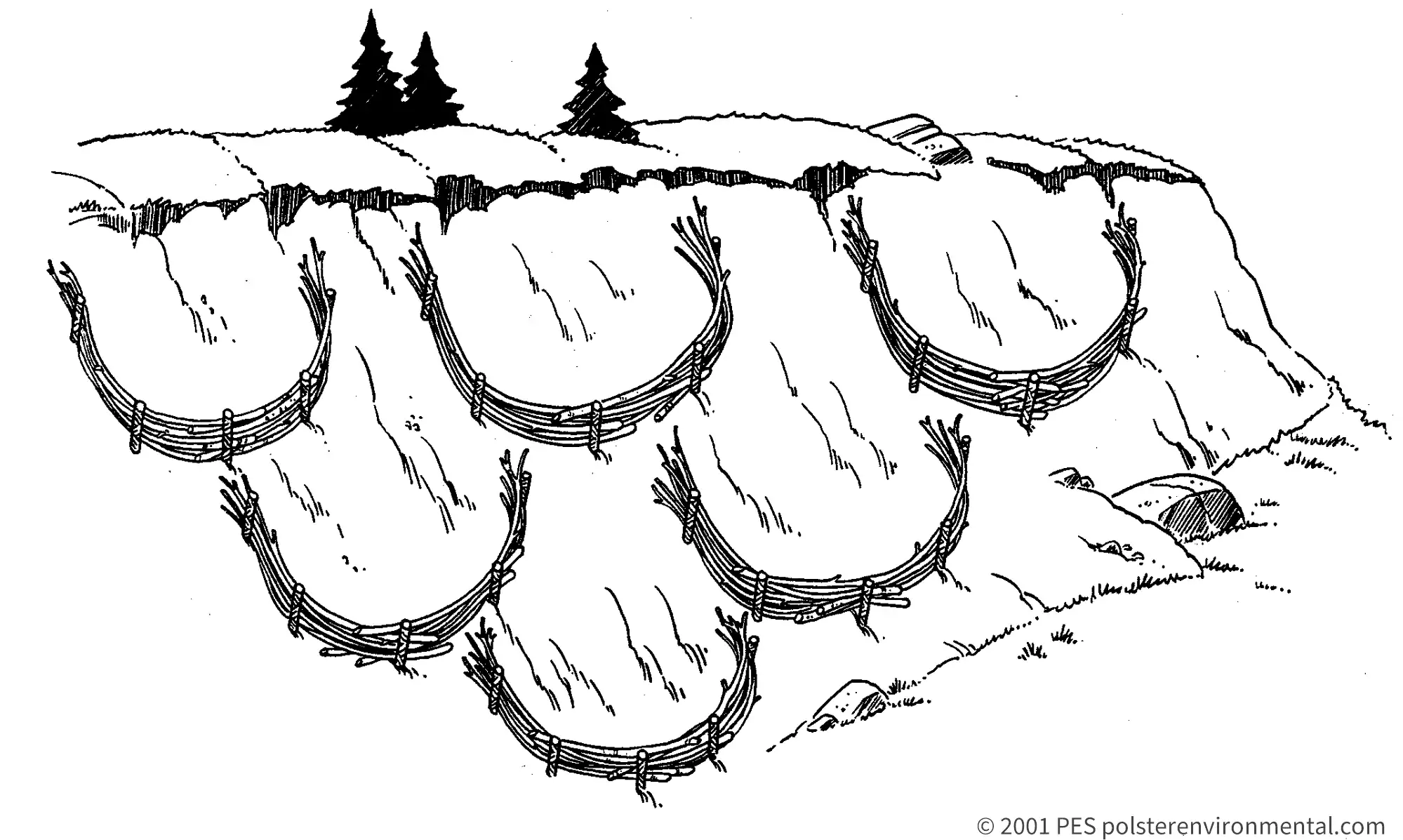
His work focused on what living material could do on a suitable site: establish roots, respond to changing conditions, and support succession. Wattle fences, live stakes, and related treatments were selected where they fit the slope, moisture, species, and access conditions; conventional materials still had a place where the site called for them.
That documented field record remains an important technical reference for PES, alongside current site assessment, project planning, installation, and monitoring work.
Four Decades of Field Work
Career spanning 1970s–2025, working across BC mine sites, streambanks, slopes, and coastal sites in British Columbia.
Living on the Edge Manual
Author of the foundational course manual on natural processes and soil bioengineering used by practitioners across BC.
Living Systems in the Field
David treated roots, stems, and natural succession as working parts of restoration, using living material where it suited the site and the problem.
What Makes PES Different
Key Principles
Living Plants as Engineering Materials
Willow, balsam poplar, and red-osier dogwood cuttings can be installed as live stakes, brush layers, wattle fences, and related treatments where the species and site conditions are suitable.
Solutions That Strengthen Over Time
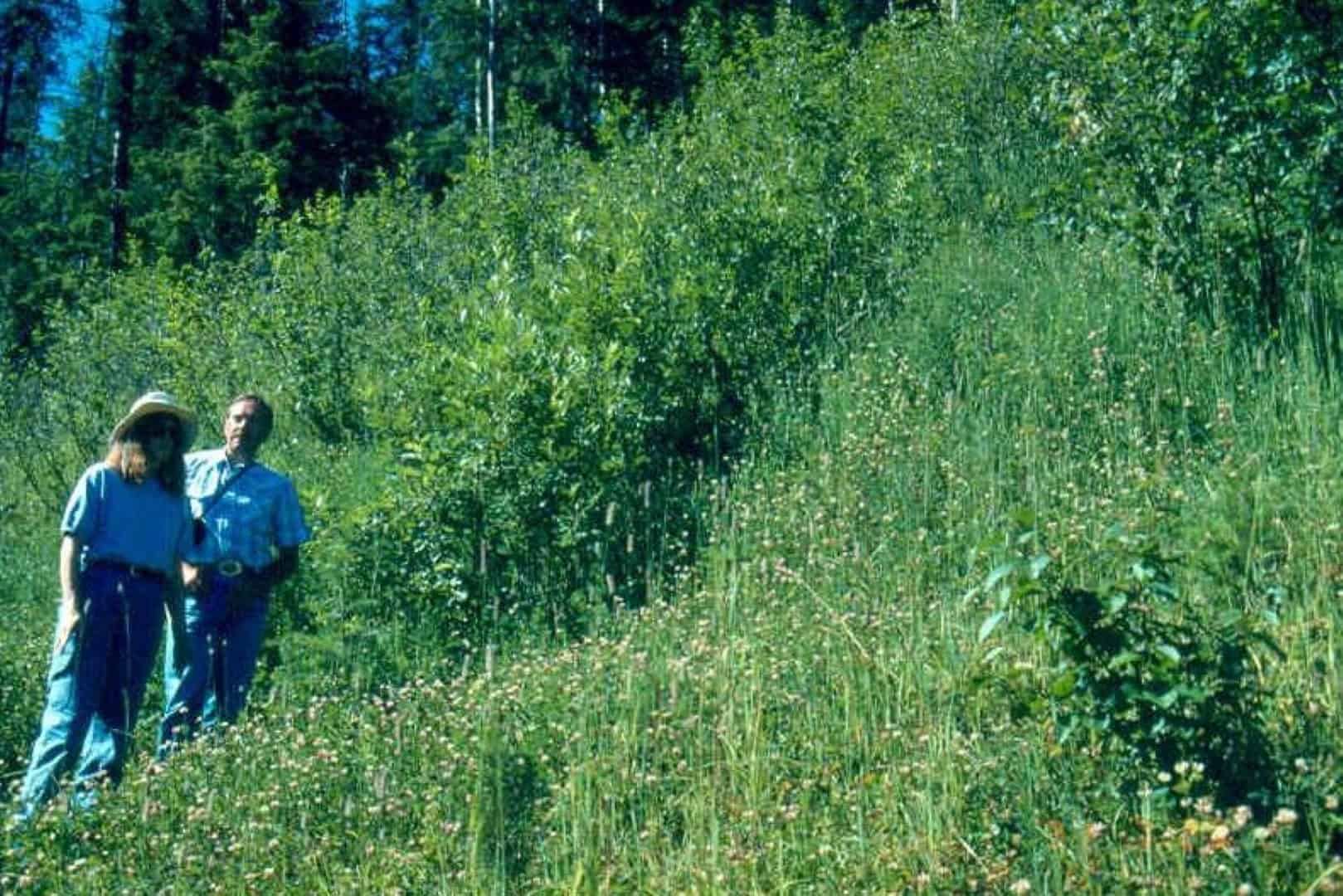
Roots and shoots develop after installation. As living structures establish, they can take on more of the stabilizing function while supporting native succession.
Fit the Treatment to the Site
Live staking and rough-and-loose treatments use plant material, hand tools, and excavators where appropriate. Treatment choice depends on slope, water, access, available species, and maintenance needs.
Technical References
PES methods are supported by documented project experience, conference papers, technical writing, and the Living on the Edge restoration handbook.
- Living on the Edge: A Manual for the Restoration of Drastically Disturbed Sites (available as our online course)
- Cost-Effective Strategies for the Restoration of Large Disturbances (Web Edition)
- Making Sites Rough and Loose for Enhancing Natural Processes (Web Edition)
- Soil Bioengineering Techniques for Riparian Restoration (Web Edition)
- Restoring Riparian Areas Using Natural Processes (SER Western Canada)
How PES Works Today
Your contact for project enquiries is Nathan Polster. Based in Victoria, PES works with clients across British Columbia and on consulting projects elsewhere in Canada. Tell us about your site, the problem you want to address, and your goals.
PES work can include site assessment, treatment selection, specifications, field direction, and monitoring. The scope is shaped around the site, drawing on David F. Polster’s documented fieldwork, technical writing, and project records.
Where We Work
Polster Environmental works across British Columbia, from Vancouver Island and the Gulf Islands to the Lower Mainland and Fraser Valley, the Interior, and northern BC, with project work across Canada. We serve municipalities, mining and resource companies, developers, First Nations, and provincial and federal agencies.
Start With the Site
Tell us what is happening at your site. PES can review the available information, identify questions for field assessment, and outline practical next steps.