
Principles and Practices of
Ecological Restoration
A 10-module self-paced online course by David Polster,
built from four decades of soil bioengineering practice
for working practitioners.
What You Will Learn
The theory and principles of ecological restoration
Soil bioengineering techniques including live staking, wattle fencing, brush layers, live bank protection, gravel bar staking, and rough and loose
Species selection for soil bioengineering applications in British Columbia
Site assessment methods and indicators for matching technique to conditions
Project planning from initial assessment through implementation
Mine reclamation approaches for drastically disturbed land
Riparian and shoreline restoration design
Long-term monitoring and adaptive management
The course adapts David Polster's Living on the Edge manual, a 113-page field guide informed by more than 40 years of work across British Columbia, into structured online modules with videos and end-of-module quizzes.
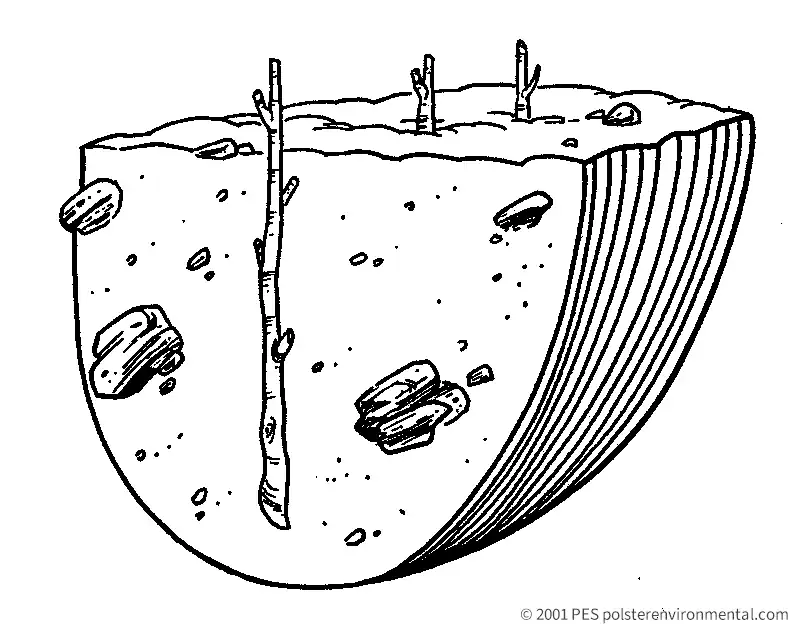
Live staking is one of the field techniques taught in the course, from cutting selection through installation and establishment.
Built for Real BC Conditions
The course is not abstract restoration theory. It is grounded in the actual climatic, geologic, and biological variation practitioners face across British Columbia. Technique choice is tied to site conditions, moisture, disturbance type, and the ecological setting.
Biogeoclimatic context, not one-size-fits-all recommendations
Natural succession and filters to recovery as the organizing framework
Technique selection tied to real field constraints and restoration outcomes
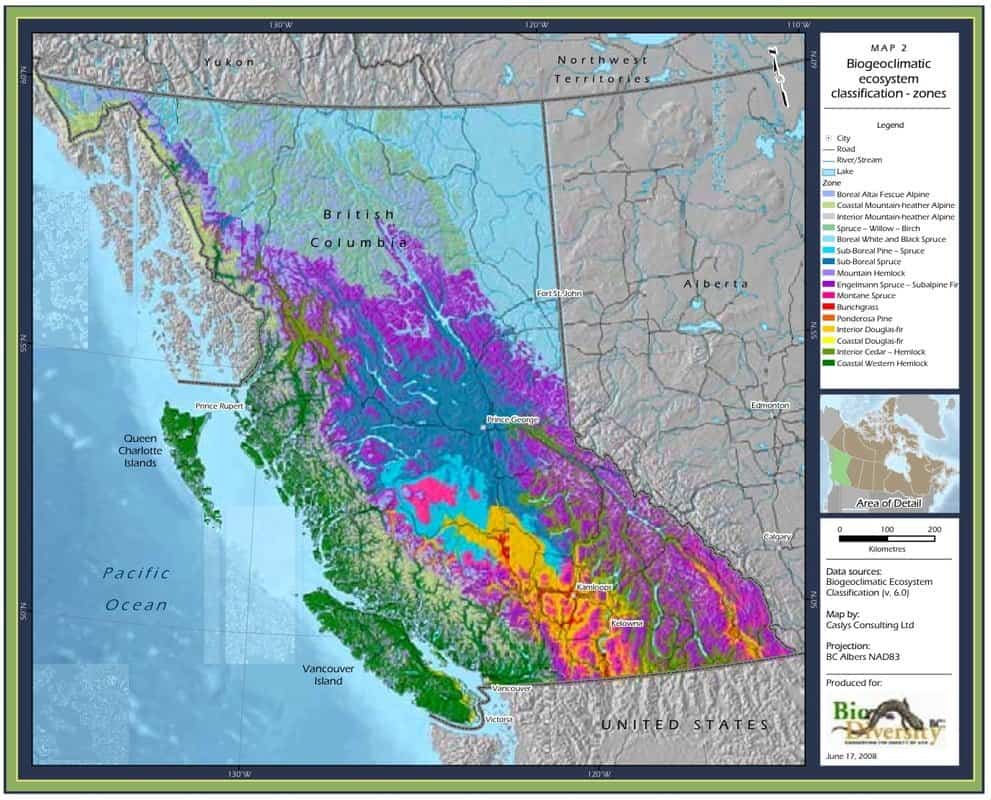
BC biogeoclimatic ecosystem classification map from the legacy PES material.
Course Details
Course Format
10 Modules
The self-paced format lets learners work through the techniques and revisit any module.
Video + Quizzes
Each module includes video content and an end-of-module quiz to reinforce key concepts and technique selection principles.
$49.99: Lifetime Access
One-time purchase. Lifetime access to all modules and future updates. Certificate of completion on finishing all 10 modules.
Secure enrollment and course access are handled on this site.
Who This Course Is For
Restoration practitioners who want structured grounding in soil bioengineering theory and technique
Environmental consultants evaluating plant-based alternatives to hard structures
Land managers responsible for slope, streambank, or mine reclamation sites
Engineers working with bioengineering specifications and wanting to understand the biology
Field crews who need to understand how and why each technique works
Students and researchers in ecological restoration, environmental science, or civil engineering
Field-Based Training, Not Abstract Theory
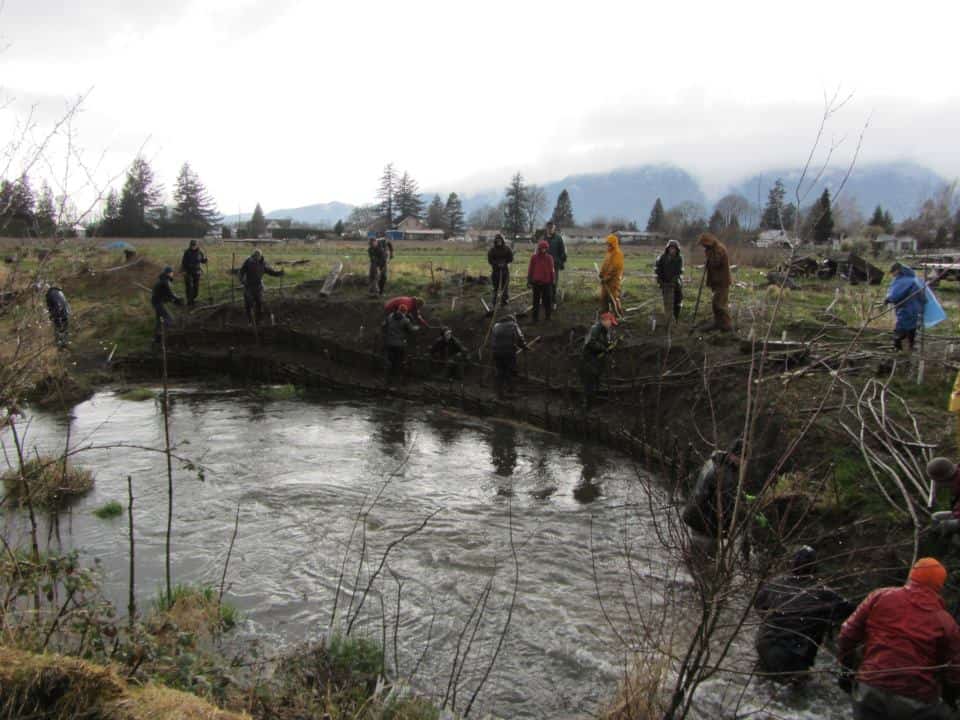
The course material includes real field installations alongside the lessons. Its value is applied practice grounded in real crews, streams, and restoration conditions.
Field installation examples from past PES training work
Method selection tied to actual site conditions
Direct continuity with the original course material
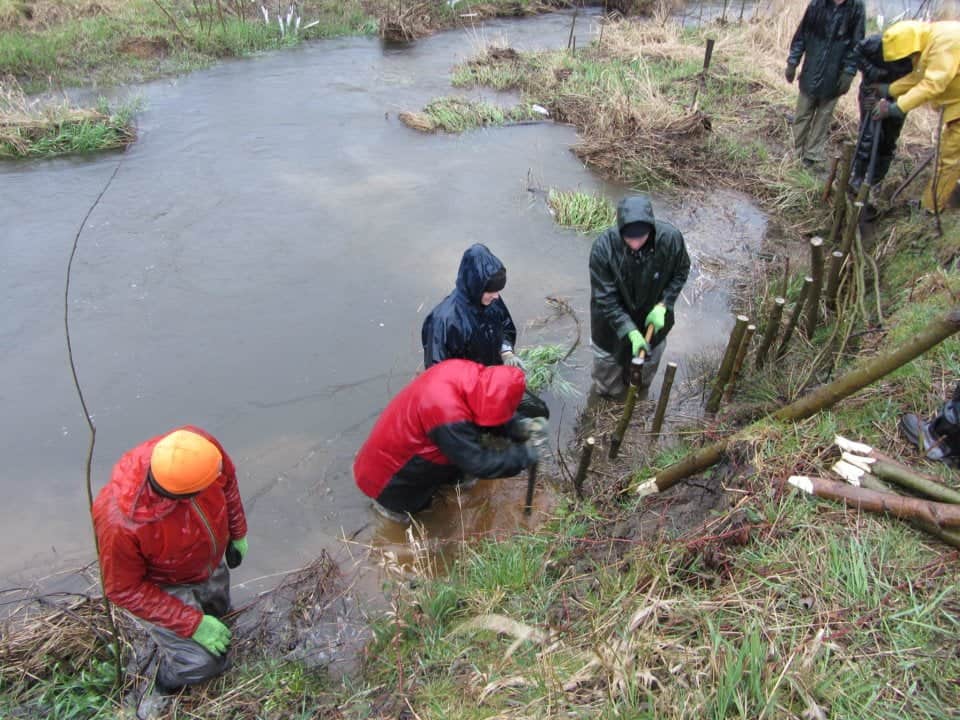
PES field training crew installing live stakes during a Yarrow course session.
Start Free: Rough and Loose Surface Treatment
Not ready to commit to the full course? The Rough and Loose Surface Treatment micro-course is a no-cost introduction to a mine-reclamation method used in British Columbia.
What is covered:
What rough and loose surface treatment is and when to use it
Why smooth, compacted surfaces fail to support vegetation recovery
How to implement rough and loose on your site
Use the Course With the Free PES Library
The paid course works best when paired with the public PES library. Use the course for the full framework, and the free pages below for quick field refreshers and shareable references.
Training for Organizations and Crews
Training workshops have been delivered to municipalities, First Nations crews, and engineering firms across British Columbia. If you are responsible for a field crew, a land management program, or an engineering team that would benefit from hands-on instruction in soil bioengineering methods, we can discuss on-site or remote training options.
Ready to Learn?
Build practical soil bioengineering knowledge through field-based methods and site-specific guidance.
Secure enrollment and course access are handled on this site.