Rough and Loose Surface Treatment Cost Comparison
A practical look at why rough and loose surface treatment can cost far less than conventional seeding-based reclamation while producing stronger long-term ecological recovery.
One of the strongest arguments for rough and loose surface treatment is not just that it works. It is that it often works at dramatically lower cost than conventional reclamation systems built around grading, seeding, and repeated follow-up inputs.
Why the Cost Gap Matters
Large disturbed sites fail financially when every hectare is treated like a landscape installation.
Traditional reclamation budgets often stack up around:
recontouring
imported soil handling
agronomic seeding
tree planting
maintenance and re-treatment
Each step adds cost before the site has actually begun functioning ecologically.
What the Polster Material Shows
David Polster's mine restoration papers make a consistent point: if you create the right site conditions, natural processes can take over work that conventional reclamation tries to buy outright.
That includes:
soil building by pioneering species
natural colonization from nearby seed sources
improved moisture retention through microtopography
lower erosion risk because water movement is disrupted at the surface
Instead of paying for a finished appearance, the treatment pays for ecological recovery to begin.
Where the Savings Come From
Rough and loose treatment can reduce cost because it eliminates or reduces several conventional line items.
Typical savings come from:
little or no agronomic seed application
reduced need for broad tree-planting programs
less dependence on imported amendments
fewer repeated treatments on surfaces that stay compacted and uniform
simpler integration with targeted live staking
Polster’s published examples report historical rough-and-loose treatment costs of about $700–$715 per hectare. The 2016 cost-effective strategies paper compares $715/ha for rough and loose with $3,500/ha for seeding-based erosion control. These are reported project examples, not current prices; site access, equipment rates, treatment scope, and follow-up requirements affect a new estimate.
Lower Cost Does Not Mean Lower Performance
This is the part many clients miss.
Rough and loose is not simply a cheaper version of the same treatment. It changes the physical structure of the site:
compacted surfaces are loosened
holes and mounds create safe sites
runoff is interrupted
woody pioneers gain a better foothold
That means the lower-cost option is often also the option that better supports long-term succession.
Best Fit for This Approach
Cost advantages are strongest where the site has:
large disturbed footprints
coarse or compacted substrates
nearby native seed sources
room for natural succession to carry the site forward
a client goal of long-term recovery rather than fast cosmetic cover
This is why the approach has worked so well on mine sites, access roads, and other large industrial disturbances.
The Real Planning Question
The most useful question is not "what is the cheapest treatment per hectare today?"
It is:
Which treatment creates a stable, self-improving site with the least total intervention over time?
On many disturbed sites, rough and loose wins that comparison because it reduces both initial treatment cost and ecological rework later.
Related Reading
Source and Further Reading
Cost Comparison: Field Results
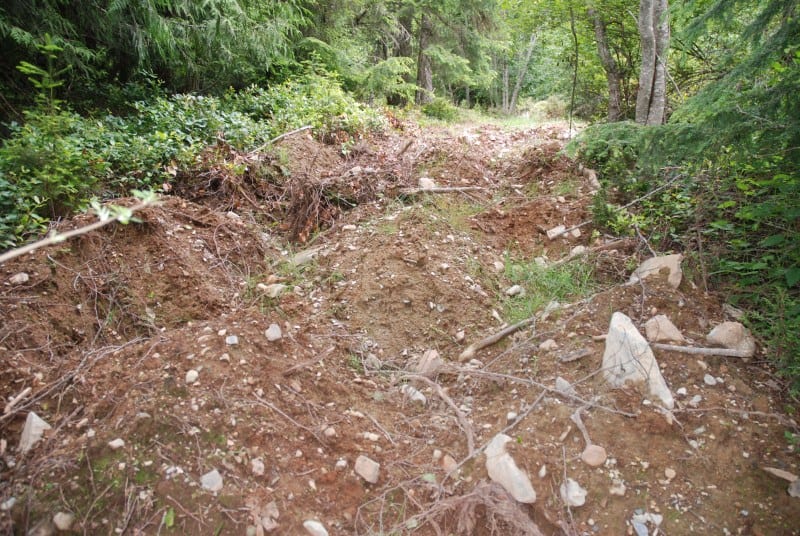
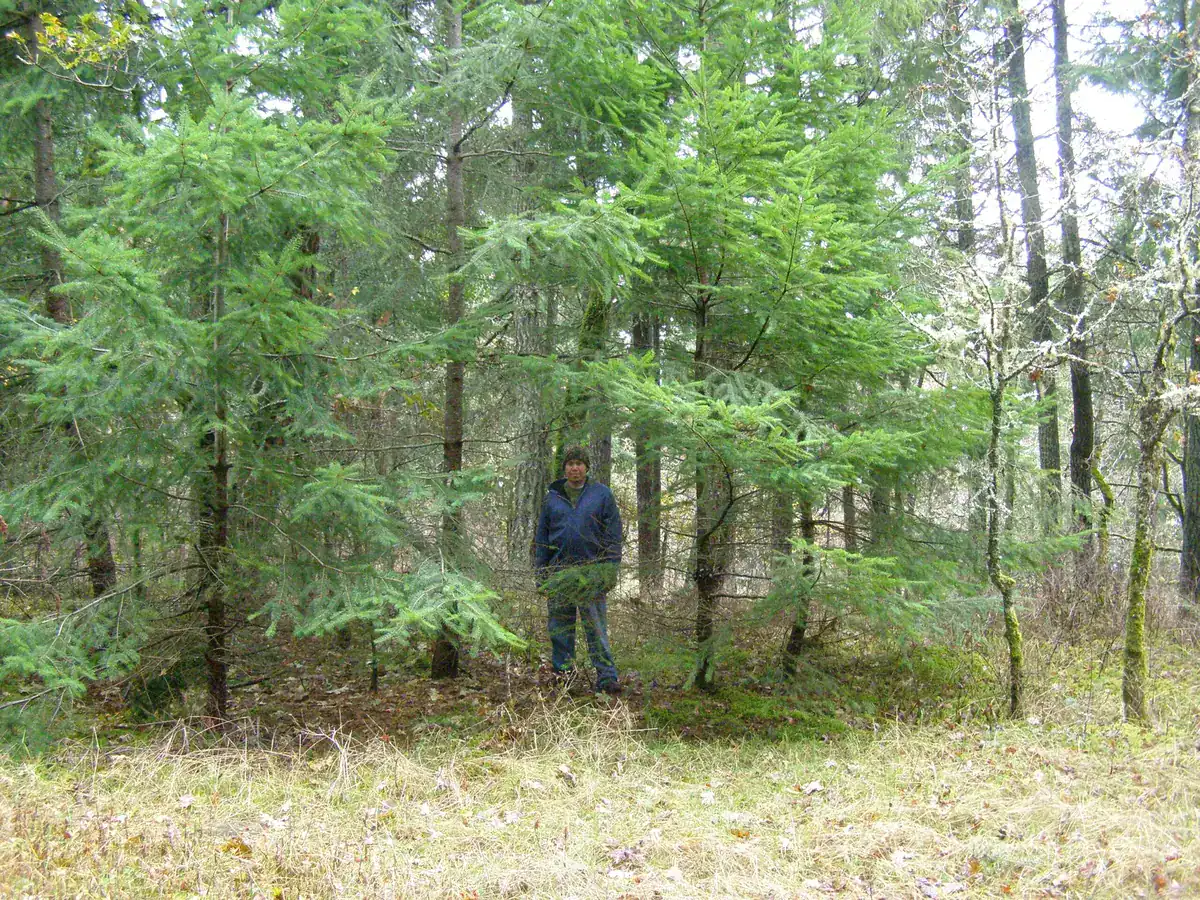
Rough and loose treatments deliver lasting ecological results at a fraction of the ongoing cost of conventional revegetation approaches. Where seed sources and establishment conditions are suitable, natural succession can reduce the need for seeding, planting, and other follow-up treatments. Monitoring is still needed to decide whether further work is required. Compare this to repeated cycles of grass seeding, spray mulching, and fertilizing on sites that continue to erode between treatments. The Fort Shephard Conservancy photographs show treated road surfaces and complementary live staking. Use the dated field record to follow visible establishment, and include inspection and follow-up work when comparing treatment costs.

Rough and loose treatment prevents motorized access while establishing native vegetation, Fort Shephard
Live staking complements rough and loose treatment, Fort Shephard Conservancy
Fort Shephard after surface treatment
Rough Beats Smooth
Rough seedbed surfaces capture significantly more seed and provide shelter for seedling roots compared to compacted or raked surfaces.
Cost-Competitive at Scale
Rough and loose treatment costs compare favourably to conventional seeding and produce biodiversity outcomes seeding alone cannot match.
Measured Over Time
Dated field records show vegetation development after treatment. Assess costs and ecological outcomes separately, using comparable treatment scopes and measured results.
Need a Site-Specific Recommendation?
We can help interpret the conditions on your slope, streambank, shoreline, or disturbed site and recommend the right combination of soil bioengineering methods.