
David Polster Legacy Timeline
A short legacy timeline drawn from David Polster presentation material, highlighting decades of restoration practice, teaching, and field leadership that shape Polster Environmental today.
David Polster's life and conference material traces the field experience behind the methods taught and applied by Polster Environmental.
Why This Matters
Many restoration firms can describe techniques. Far fewer can trace those techniques back through decades of direct observation, field iteration, conference teaching, and published ecological thinking. David Polster's legacy is not just that he practiced restoration work. It is that he helped define how plant-based slope stabilization and ecological recovery are understood in British Columbia.
Timeline Highlights
Early field experience shaped a practical understanding of how disturbed landscapes recover
Decades of work across BC refined the methods now central to the PES library
Conference presentations, training, and published material expanded those ideas far beyond a single project portfolio
The work consistently emphasized natural processes, succession, and long-term ecological function over cosmetic short-term fixes
What the Legacy Material Reinforces
The life-deck material is valuable less for biography alone and more for what it signals to clients, students, and collaborators:
these methods come from sustained field practice
the work was shared publicly and taught repeatedly
the PES approach is rooted in ecological restoration, not decorative landscaping
today's site recommendations extend a long-established professional lineage
Where to Go Next
If you are new to the PES approach, pair this timeline with:
Field Research Spanning 40 Years
David Polster's work spanned four decades of field documentation across BC, the Yukon, and Northwest Territories.
Mining and Highway Applications
Early career focus on mine reclamation at Island Copper and other large sites established the field evidence base for soil bioengineering in Canada.
Published and Shared Freely
Over 30 published papers, conference presentations, and technical guides document the full range of bioengineering applications.
Milestones in a Lifetime of Practice
The timeline connects published ideas to the field projects, monitoring, and teaching through which they were tested.
1970s
Early field surveys and ecological study. Direct observation of how plant communities recover on disturbed ground established the ecological basis for the work that followed.
1980s
First bioengineering installations across British Columbia. Wattle fencing, live staking, and brush layering were tested and refined on mines, highway corridors, and streambanks.
1990s
Island Copper Mine and gravel bar staking. More than 500,000 red alder trees were planted at Island Copper Mine, while San Juan River monitoring documented rapid sediment accumulation around live stakes.
Early 2000s
Bowker Creek, Klondike River, and a growing published method library. Long-term field sequences and conference papers connected installation practice to measurable ecological outcomes.
2006-2009
Riparian and mine reclamation papers. Publications articulated the filters-to-recovery framework and the ecological case for rough and loose treatment.
2012-2016
Brenda Mine biodiversity program. Four years of photography documented native shrub recovery and returning habitat after rough and loose treatment, live staking, fencing, and habitat additions.
2016-2020
Complex slope restoration and practitioner training. Projects including Juniper Place and Qualicum Beach paired field implementation with training for municipal, First Nations, and engineering teams.
2021
Living on the Edge. David completed the 113-page manual that distils four decades of work on restoring drastically disturbed sites.
2024-2025
The work continues. PES projects at PKOLS, Pender Island, Clam Bay, and VBNWA extended the same process-led approach into current field practice.
Field Research and Teaching
The strongest photographs in the life presentation show the continuity between ecological field research, practical instruction, and the methods PES still applies.
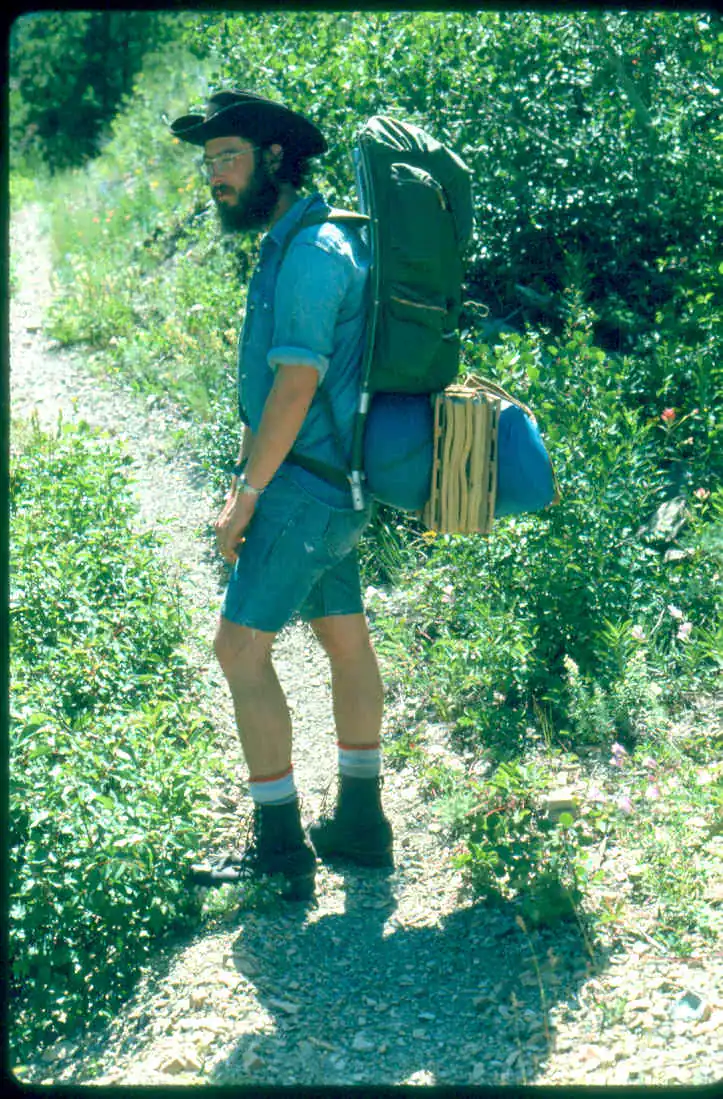
David Polster in the field in 1976.
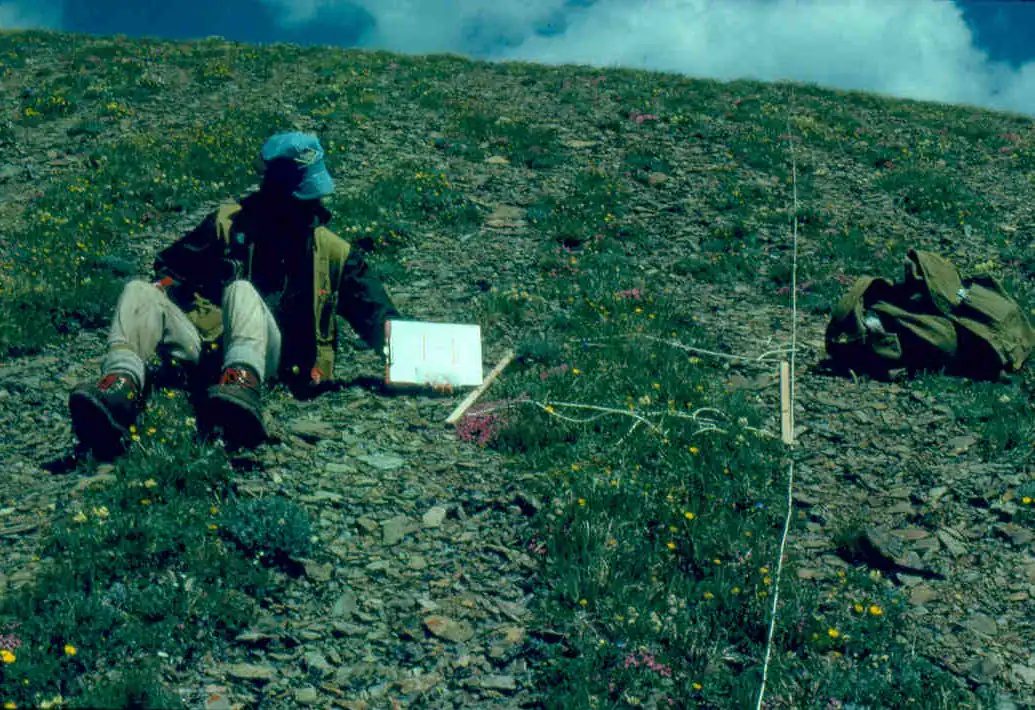
Field research for David's M.Sc. thesis.
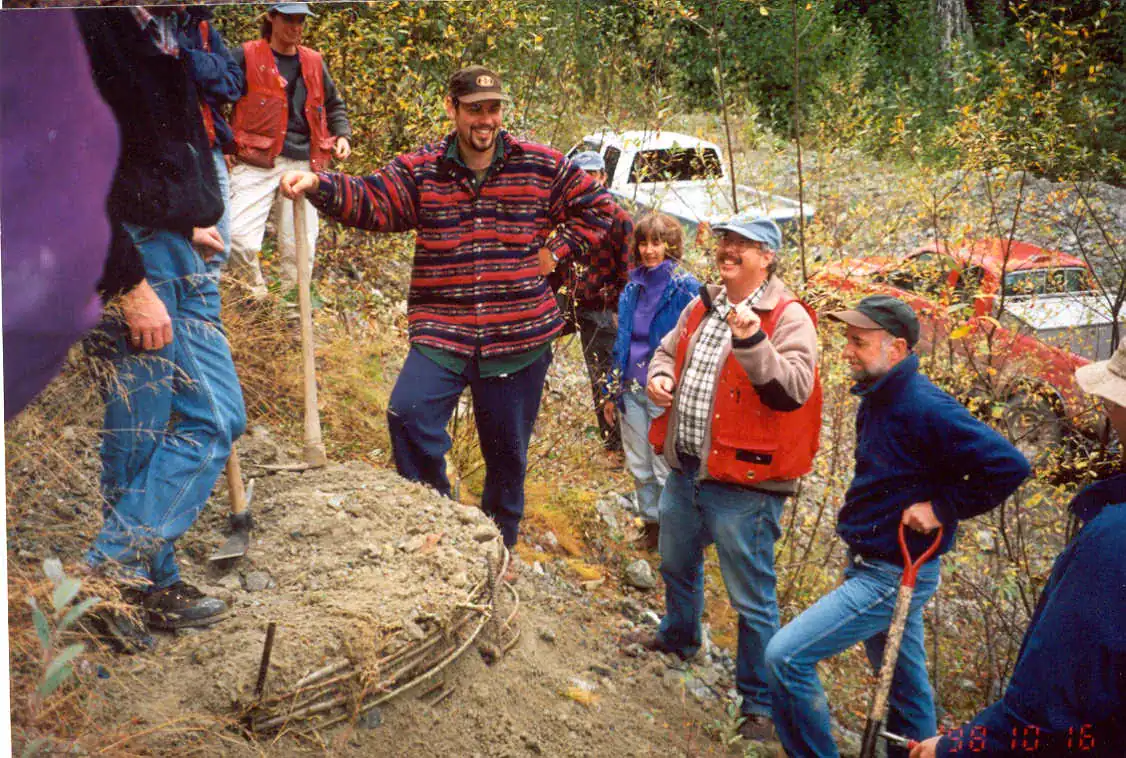
Teaching soil bioengineering in the field.
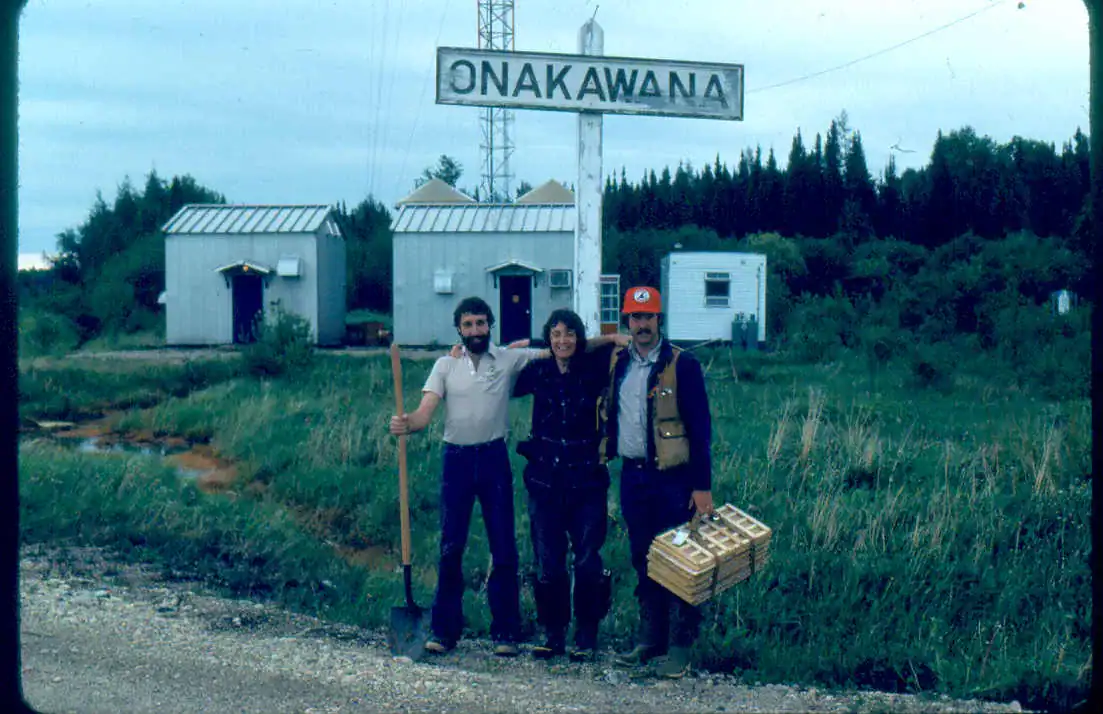
A field team at Onakawana with sampling equipment.
The Life Around the Work
David's own presentation also placed the professional record in a wider life of community, peace activism, travel, and long relationships with people and landscapes.
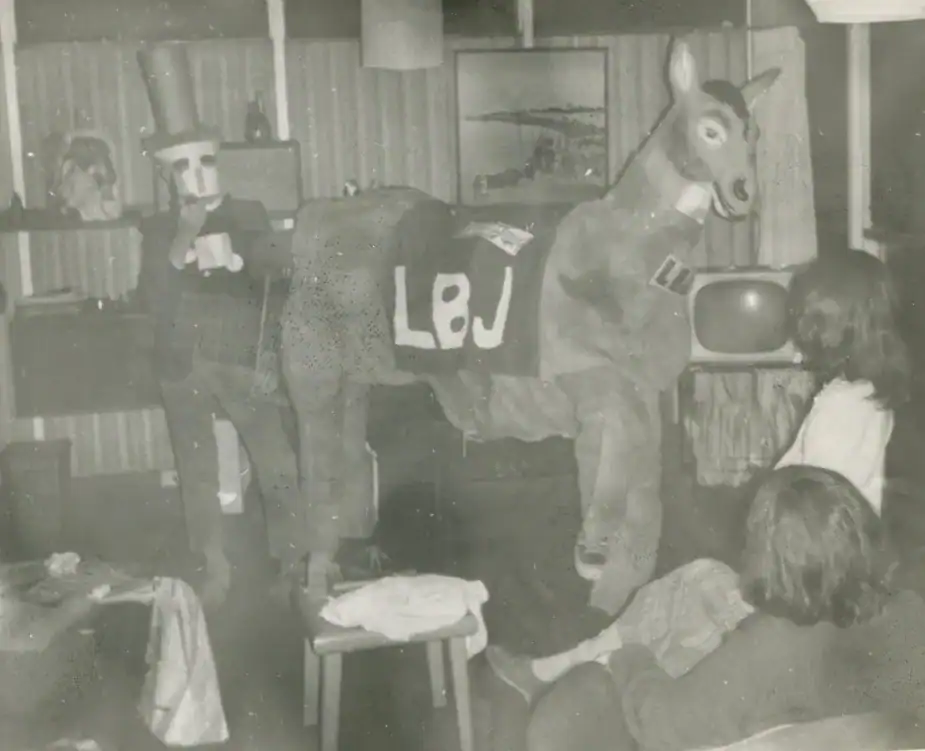
David Polster and Geoff Taylor campaigning for Lyndon B. Johnson in 1964.
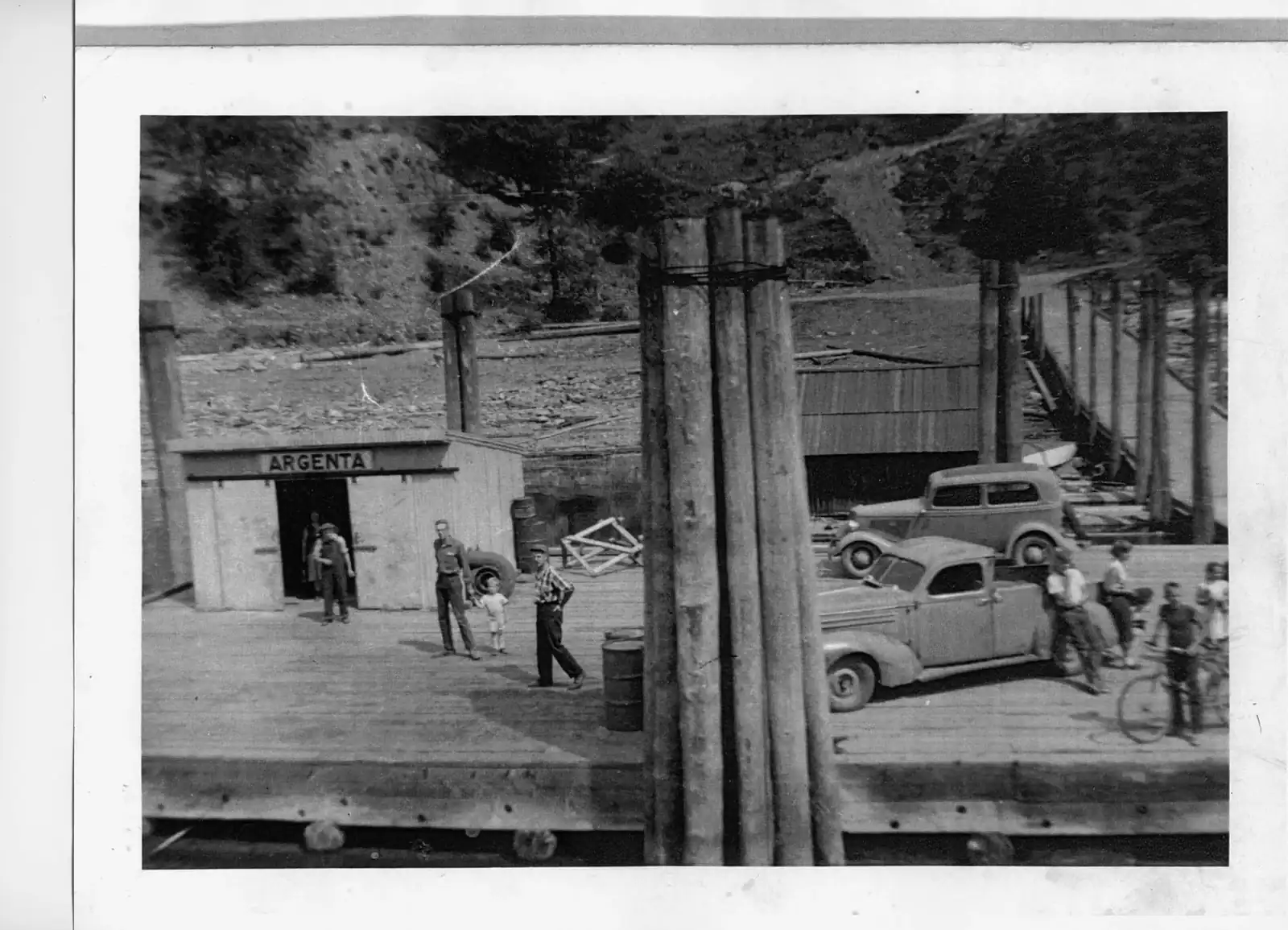
Argenta, BC, where the Polster family moved in 1967.
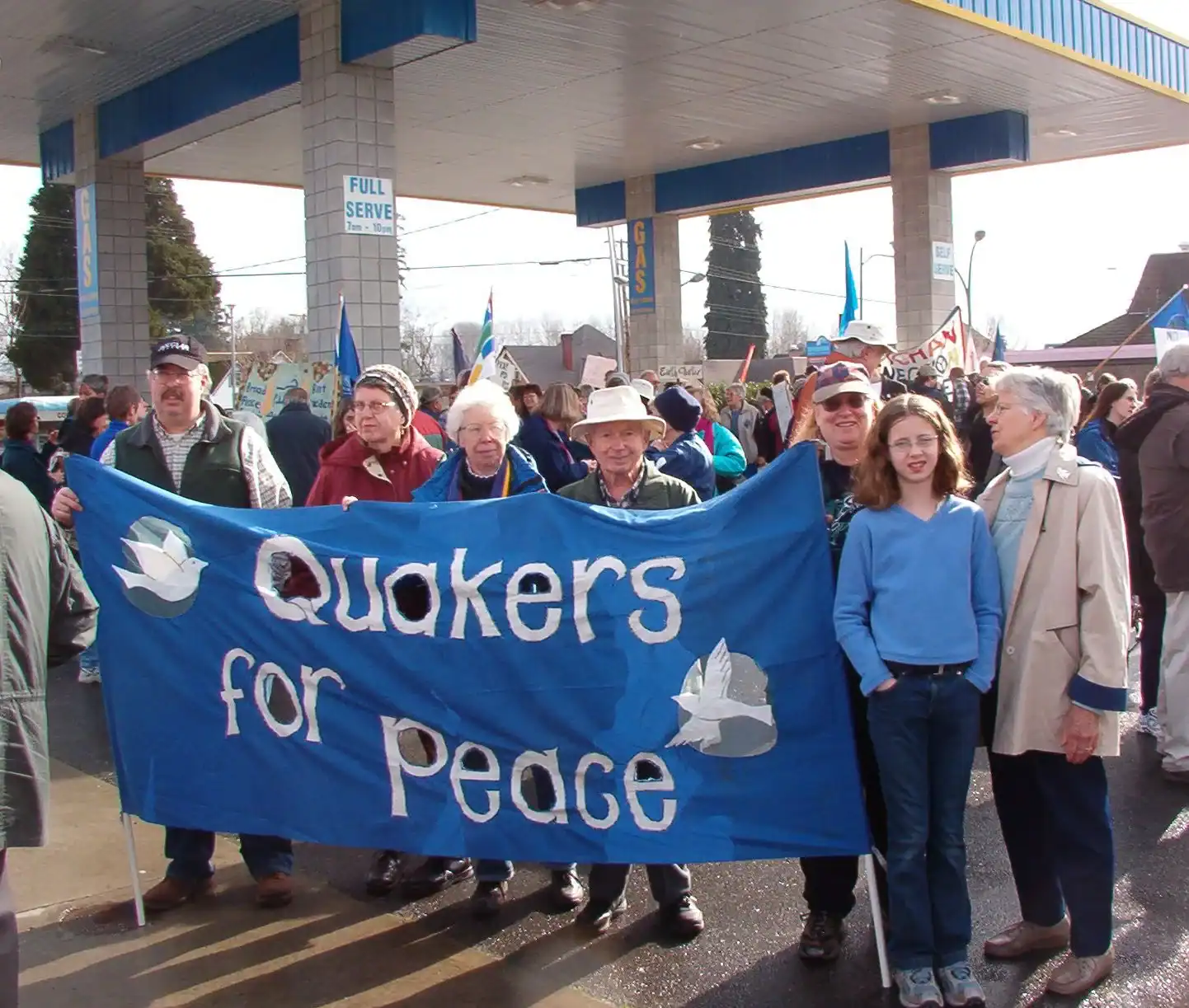
A Quakers for Peace demonstration, reflecting a lifelong commitment to civic engagement.
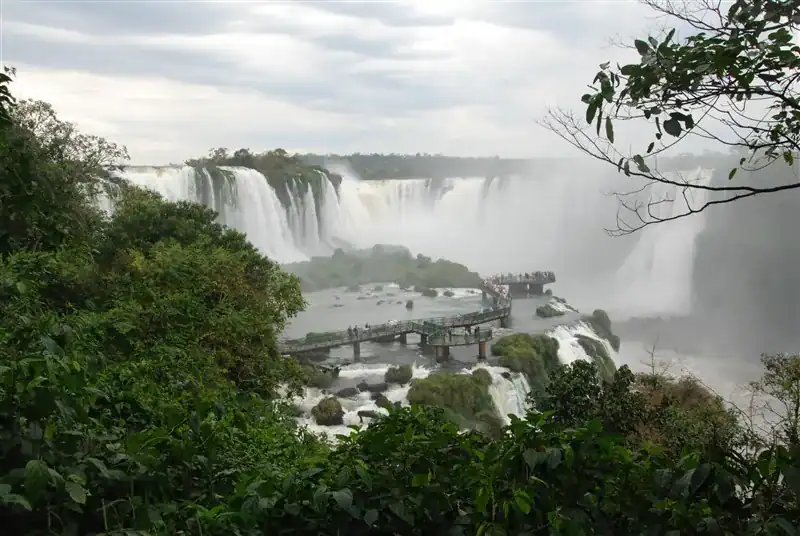
Foz do Iguassu during the 2017 Society for Ecological Restoration conference.
In David’s Own Words
Edited for length from David Polster’s 2011 CCLT bioengineering course narration:
“Many of the things I have done relate to the application of natural processes for the restoration of drastically disturbed sites … I have been lucky in my career to have folks send me to some very interesting places to do some very interesting work. I have found some interesting challenges in trying to restore landslides and steep, unstable slopes. The challenges of these slopes are what has kept the whole thing interesting for me. Figuring out what it is that is preventing vegetation from establishing, the filters.”
David Polster
“Soil bioengineering can be used to restore sites. These techniques can be easily employed by relatively untrained workers, volunteers or youth groups and can provide instant success which is very gratifying for those involved. … Remember, the most important thing about soil bioengineering is to have fun.”
David Polster
Need a Site-Specific Recommendation?
We can help interpret the conditions on your slope, streambank, shoreline, or disturbed site and recommend the right combination of soil bioengineering methods.